
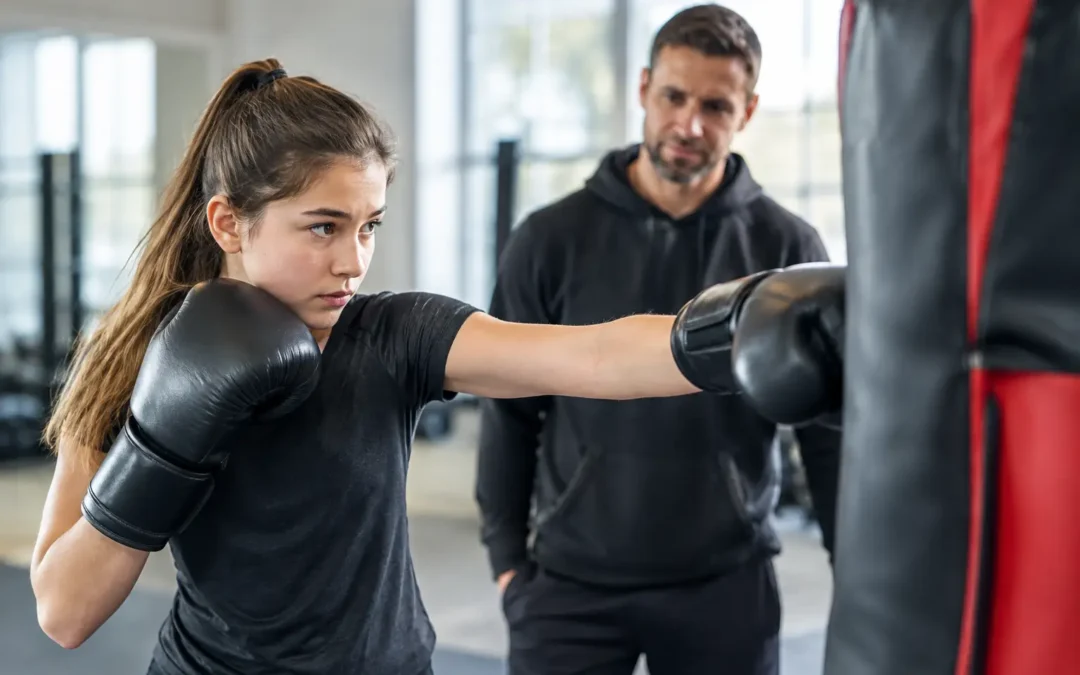
A teenager walks into their first kickboxing class carrying more than a kit bag. They may be nervous about fitting in, unsure of their fitness, or quietly hoping to feel more confident. Parents often arrive with a more practical question: is kickboxing safe for teens?
The honest answer is yes, when training is taught properly, matched to a young person’s stage of development and led by qualified instructors who put safety ahead of ego. Kickboxing is a physical activity, so it is never entirely risk-free. But a well-run teenage programme is not a room full of young people trying to hit as hard as possible. It is structured coaching that builds skill, fitness, awareness, discipline and respect.
At its best, kickboxing gives teenagers a constructive challenge. They learn to move with control, protect themselves, manage pressure and keep going when something takes practice. Those lessons can carry into school, friendships, sport and everyday life.
Is kickboxing safe for teens in a good class?
Safety starts long before anyone puts on gloves. A responsible class has clear rules, age-appropriate coaching and instructors who actively supervise the room. Teenagers should be taught technique in stages, beginning with stance, balance, footwork, guard and controlled striking before progressing to more demanding drills.
The pace matters. Some teens arrive sporty and confident; others have not enjoyed exercise for years. Both should be able to train without being pushed into contact or intensity they are not ready for. Good instructors adapt drills, offer clear corrections and make sure no one feels embarrassed for asking questions or taking a breather.
At Kane Academy, teenage kickboxing is about developing capable young people, not creating an intimidating atmosphere. Training should feel challenging and energising, while still giving every member the confidence to learn at their own pace.
Contact is controlled, not chaotic
Many parents hear the word kickboxing and immediately picture a competitive bout. Competition is only one possible route in martial arts, and it is not required for a teenager to gain huge value from training.
In a beginner-friendly class, much of the work is non-contact or light, carefully controlled partner practice. Teens may use pads and shields to practise combinations, work on movement drills, complete fitness exercises and learn defensive positioning. If sparring is introduced, it should be supervised, technical and matched appropriately by size, experience and confidence.
No teenager should be pressured to spar before they feel ready. Nor should they be paired with someone who treats practice like a fight. The purpose of sparring is to develop timing, distance, composure and decision-making – not to prove who is toughest.
Where do injuries come from?
Kickboxing carries the same basic reality as football, rugby, dance, gymnastics or any active sport: trips, knocks, strains and overuse injuries can happen. The goal is not to pretend otherwise. The goal is to reduce avoidable risk through sensible training.
Most problems arise when people rush, use poor technique, train while exhausted or ignore pain. That is why correct coaching is so valuable. A teen who learns to pivot safely on a kick, keep their hands up, warm up properly and stop when something hurts is building habits that protect them in every physical activity.
A quality programme will also avoid the culture that causes unnecessary injuries. There should be no encouragement to “tough it out” through sharp pain, dizziness or a suspected injury. A teenager should feel comfortable telling an instructor if they are worried, uncomfortable or unwell.
Parents can help by encouraging honest communication. A sore muscle after a new session can be normal; pain in a joint, recurring headaches, swelling or pain that changes how they move deserves attention. When in doubt, take advice from an appropriate healthcare professional before returning to training.
The safety measures parents should expect
You do not need to be a martial arts expert to recognise a safe environment. Watch a class or ask how beginners are introduced to the programme. The answers should be clear and reassuring, not vague.
Look for these signs:
- Coaches explain and demonstrate drills before asking teenagers to perform them.
- Training partners are paired thoughtfully, with size, experience and confidence considered.
- Suitable protective equipment is used when the activity calls for it, and students are shown how to wear it correctly.
- Warm-ups, mobility work and a gradual build-up in intensity are part of the lesson rather than an afterthought.
- Instructors intervene quickly when control slips, behaviour becomes reckless or a student needs support.
Just as importantly, notice the atmosphere. Teenagers should be encouraged to work hard, but they should also be spoken to with respect. A supportive martial arts class has standards: arrive ready to learn, listen, look after training partners and take responsibility for your effort. Those standards make the room safer for everyone.
Why teenagers can benefit from kickboxing
The physical benefits are easy to see. Regular kickboxing improves cardiovascular fitness, coordination, balance, mobility and overall strength. For teenagers who spend long days sitting in classrooms or on screens, training offers a positive reason to move and release energy.
The less obvious gains can matter just as much. Learning a combination takes focus. Holding pads well requires teamwork. Being corrected requires maturity. Returning after a difficult session builds resilience. Over time, a shy teenager may stand taller, speak more clearly and feel more comfortable taking up space.
Kickboxing can also give teenagers a healthier relationship with challenge. Progress is earned through repetition, not instant talent. A new belt, grading or technical milestone means more when they remember the sessions where it felt difficult. This is not about becoming aggressive. In fact, proper martial arts training teaches teenagers to avoid trouble, use judgement and understand that self-control is a real strength.
For some young people, the community is the biggest benefit. They meet others outside their school circle, train towards shared goals and learn how to encourage someone else without losing focus on their own progress. That sense of belonging can be particularly valuable during the teenage years.
Choosing the right level of training
Not every teen needs the same kind of class. A 13-year-old who has never played sport may need a gentler start than a 16-year-old who already trains several times a week. A teenager with additional needs, an old injury or low confidence may need adjustments, patience and more individual guidance.
Tell the instructor what they need to know before the first session. That includes medical conditions, injuries, sensory considerations and concerns about contact. This information helps the coach make sensible choices from day one. It is also worth asking what progression looks like. A structured programme should show teenagers how they can build from basic technique towards greater fitness, confidence and technical ability without skipping essential foundations.
If your teen wants to compete eventually, that can be a brilliant goal. It should still be approached gradually. Competition preparation requires additional fitness, technical maturity, emotional readiness and a clear understanding of the rules. There is no prize for rushing the process.
What teens can do to train safely
A teenager has an active role in keeping training safe. They should turn up with water, wear the required kit, keep nails short, listen closely and practise control with every partner. They should also understand that being a good training partner is a skill. Holding pads properly, respecting boundaries and matching the agreed level of contact help everyone improve.
Rest matters too. Teenagers balancing schoolwork, part-time jobs, other sports and busy social lives can become overtired. A sensible routine includes sleep, regular meals, hydration and recovery days. Training hard is positive; training endlessly without recovery is not.
A strong start beats a fearless start
For parents, the best first step is often a trial session. It lets your teenager experience the coaching style, meet the group and decide whether the class feels like a place where they can grow. Watch for the moment they leave: not whether they look exhausted, but whether they look proud, engaged and keen to return.
Kickboxing should help a teen feel stronger in themselves, not frightened of making mistakes. With patient coaching, clear boundaries and a positive community around them, the lessons they learn on the mats can become confidence they carry everywhere else.