
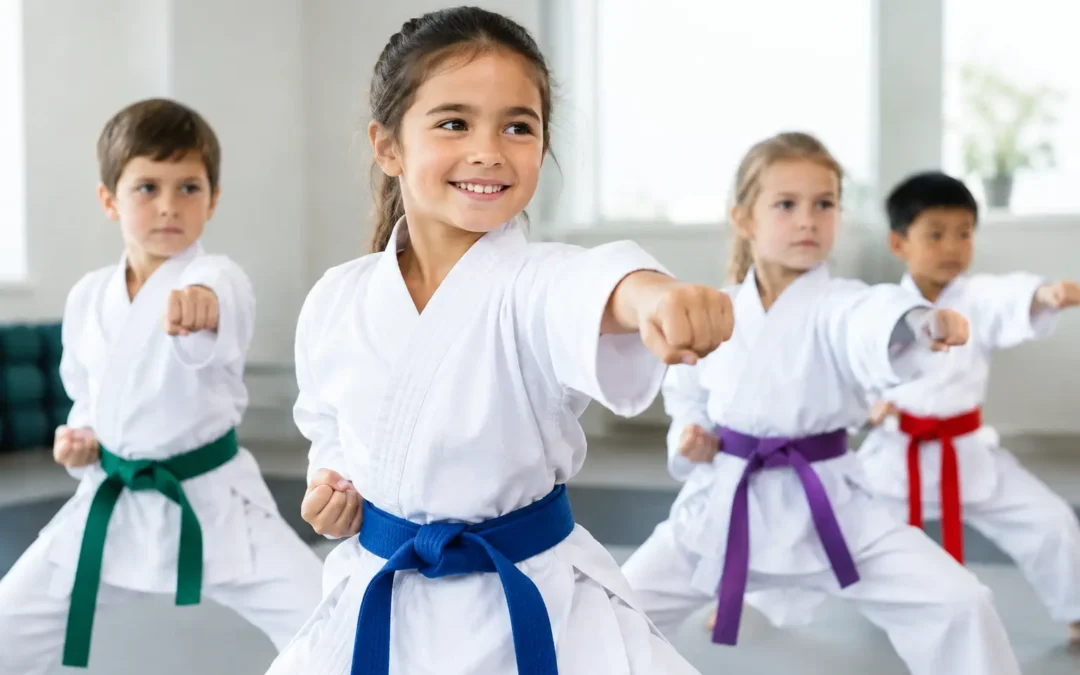
A child’s first martial arts class often begins with a small but significant moment: taking off their shoes, joining the line and trying something unfamiliar. The best martial arts values for children are not measured by how high they can kick in week one. They show up when a shy child speaks a little louder, when a disappointed child tries again, or when classmates encourage one another through a tough drill.
For parents, this is the real promise of quality martial arts training. Children become more active and learn practical movement skills, but they should also leave with habits that support them at school, at home and with their friends. The right programme teaches far more than techniques. It gives children a structured place to practise becoming capable, considerate and confident people.
Why values matter as much as technique
Kickboxing, self-defence and Filipino martial arts can all give children useful physical skills. Yet no martial art automatically builds character. The difference lies in how it is taught, the standards coaches set and the culture children experience every week.
A good class has clear boundaries without feeling harsh. Children know when to listen, when to work hard and when to support their partner. They are challenged at a level that feels achievable, rather than being pushed to prove themselves against others. That balance matters, especially for beginners and children who may be shy, anxious or still finding their place in group activities.
At Kane Academy, progress is treated as personal. A child does not need to be the loudest, fastest or most naturally athletic person in the room to belong. They need the willingness to turn up, learn and keep going.
The best martial arts values for children
Confidence built through earned progress
Real confidence is not telling children they are brilliant at everything. It is helping them see what they can do after regular effort. Learning a stance, remembering a sequence, holding pads safely or completing a grading goal gives children evidence that they can improve.
That is particularly valuable for children who hang back in new settings. Martial arts creates manageable challenges: speak your name clearly, practise with a partner, try a new movement, lead part of a warm-up. Each success makes the next step feel less daunting. Over time, many children carry that stronger voice into school presentations, friendships and other activities.
Confidence should never become arrogance. The most grounded young martial artists understand that there is always more to learn, and that skill comes with responsibility.
Discipline that feels purposeful
Parents often say they want their child to be more disciplined, but discipline is not simply sitting still or following instructions without question. In martial arts, it is the ability to focus on the task in front of you, follow safety rules and keep practising when the novelty has worn off.
Children learn that preparation matters. They arrive ready to train, listen to coaching, look after their equipment and respect the structure of the class. These are small actions, repeated often, and that repetition is where discipline becomes a habit.
The most effective coaching explains the reason behind the rule. A child who understands that waiting their turn keeps everyone safe, or that controlled contact protects their partner, is learning judgement as well as obedience. That lesson is much more likely to last.
Respect for people, boundaries and effort
Respect is central to martial arts, but it should be visible in everyday behaviour rather than limited to a bow at the start of class. Children can show respect by listening when someone else is speaking, using equipment properly, thanking a partner and responding calmly when corrected.
Just as importantly, they learn to respect personal boundaries. Training is never an excuse for rough behaviour. Children should be taught to ask, listen and use control, whether they are holding pads, practising self-defence movements or working at close range. They need to know that a partner’s safety is as important as their own learning.
Respect also includes self-respect. A child who learns to stand tall, communicate clearly and trust their instincts is better placed to respond to uncomfortable situations. Practical self-defence begins with awareness, assertiveness and knowing when to get help, not with looking for a fight.
Resilience after mistakes and setbacks
Every child will have an awkward class. They may forget a combination, struggle to balance, feel frustrated by a drill or fall short of a goal. These moments are not failures in a well-run martial arts programme. They are the training ground for resilience.
A supportive coach helps children name the challenge, take a breath and attempt it again with one useful adjustment. Rather than hearing, “I can’t do it,” they begin to say, “I can’t do it yet.” That one word changes the direction of their thinking.
Resilience does not mean ignoring feelings or forcing a child through distress. It means learning that nerves, disappointment and hard work can be managed. Some children need an extra explanation, a slower progression or a little more time to settle. Inclusive teaching recognises those needs while still helping every child move forward.
Kindness and teamwork
Martial arts may look individual from the outside, but children rarely learn alone. They work with partners, take turns, hold pads, encourage classmates and share the space responsibly. A child cannot develop good control without considering the person in front of them.
Kindness in class can be simple: offering a reassuring word to a new starter, celebrating another child’s achievement or being patient while a partner practises. These moments create a community where children feel safe enough to try. They also challenge the old idea that strength has to mean being intimidating.
The strongest children are often those who can be both confident and kind. They know they can work hard without putting someone else down.
Accountability and ownership
As children grow, they benefit from taking more ownership of their progress. Martial arts gives them clear, age-appropriate ways to do this. They can remember their kit, practise a movement at home, set a small goal for the next class or reflect on what they found difficult.
Accountability should not feel like blame. It is about showing children that their choices matter. If they stay focused, they tend to improve. If they lose concentration, they can reset and rejoin the task. This is a practical lesson in responsibility, delivered without a lecture.
Gradings can support this value when they are presented as milestones rather than pressure points. A belt or certificate is meaningful because it represents consistent attendance, learning and effort. It is not a label that says one child is worth more than another.
Healthy habits for body and mind
Children need enjoyable ways to move, especially when screens, schoolwork and busy family routines compete for their attention. Martial arts develops coordination, balance, mobility, fitness and body awareness in a format that keeps sessions varied and engaging.
The wider value is helping children connect movement with feeling good. They learn to warm up properly, drink water, rest when needed and notice how exercise can improve their mood and energy. For some children, the class is also a healthy outlet after a demanding school day.
A positive environment avoids negative talk about body shape or athletic ability. The goal is not to create miniature elite athletes. It is to help children appreciate what their bodies can learn and do.
How parents can spot values-led martial arts teaching
Before choosing a class, watch how the instructor speaks to children. Are corrections clear and encouraging? Do beginners receive attention? Is safety explained and consistently managed? You should also notice what happens when a child makes a mistake. A values-led academy treats it as part of learning, not a reason for embarrassment.
Ask whether classes are organised by age and development stage. A four-year-old needs a different approach from an eleven-year-old, even if both are learning confidence and coordination. Programmes for younger children should use short activities, clear routines and plenty of positive reinforcement. Older children can take on more technical detail, responsibility and structured goal-setting.
It is also worth asking how the academy supports children with additional needs. Genuine inclusion is more than welcoming words. It may involve patient coaching, adapted instructions, sensory awareness and communication with parents so that children can participate confidently at their own pace.
Bringing martial arts values home
The benefits grow when parents notice the effort behind the achievement. Instead of asking only, “Did you win?” or “What belt are you getting next?”, try asking what your child found difficult, who they trained with or what they were proud to improve. These questions reinforce that courage, kindness and persistence count.
Give children opportunities to use their new habits outside class too. Let them take responsibility for packing their kit, praise them for staying calm during a tricky homework task, or remind them of a time they kept trying in training. The aim is not to turn home into another lesson. It is simply to help children recognise that the skills belong to them everywhere.
The right martial arts class gives children something powerful to practise each week: not how to act tougher, but how to stand with confidence, treat others well and keep growing when life feels difficult.