
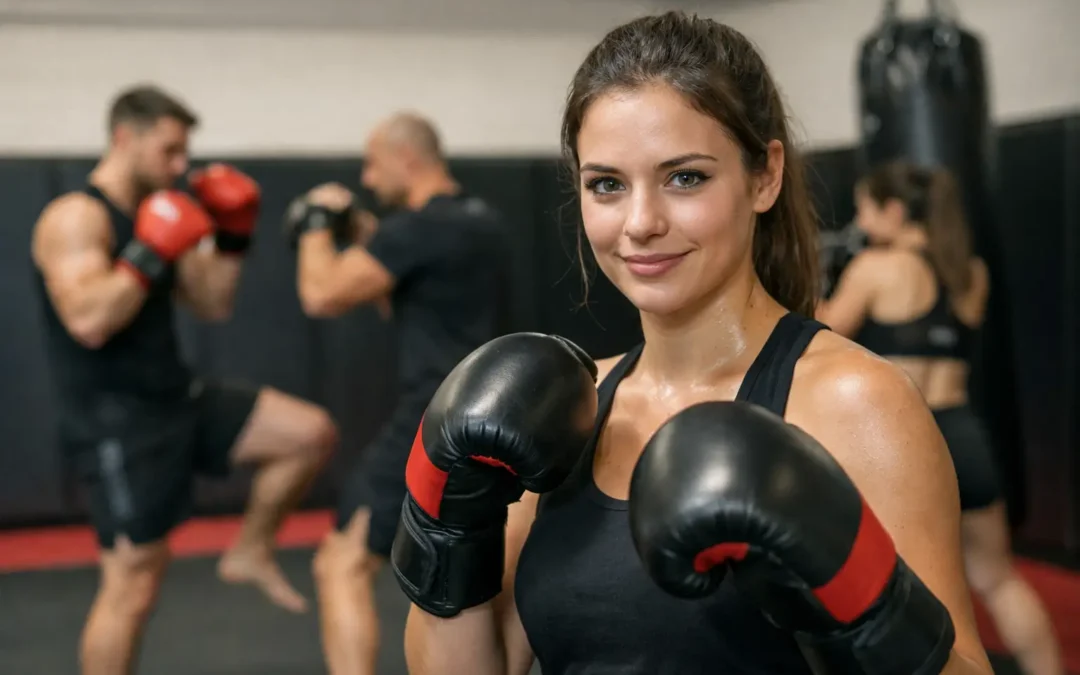
A great kickboxing class should leave you feeling stronger than when you walked in. That is what kickboxing Huddersfield families, teenagers and adults are looking for: expert coaching that improves fitness and teaches practical skills, without the pressure of needing to be naturally sporty, experienced or fearless on day one.
For some people, the goal is to get fitter after a long break from exercise. For others, it is learning self-defence, finding a positive outlet for stress or helping a shy child speak up and believe in themselves. Kickboxing can support all of those goals when it is taught in a structured, encouraging environment.
Kickboxing Huddersfield is for more than fighters
Kickboxing is often misunderstood as an activity only for people who want to compete. Competitive training is an excellent path for those who choose it, but it is not the starting point or the only outcome. Most beginners join to feel better in their bodies, gain confidence and learn something meaningful alongside people who are working towards their own goals.
A well-run class combines striking techniques, footwork, defensive movement, pad work, fitness drills and controlled partner exercises. You learn how to use your hands and legs with purpose, while improving coordination, balance and focus. Just as importantly, you learn to stay calm when something feels difficult.
That matters outside training. The person who keeps going through a tough round of pad work is practising resilience. The child who remembers a sequence and performs it in front of their class is building self-belief. The adult who makes time for training each week is creating a healthier routine that can carry into work, family life and everyday challenges.
What a beginner kickboxing class should feel like
Your first class should be welcoming, clear and appropriately challenging. You do not need to arrive knowing the names of techniques or owning a cupboard full of equipment. A good instructor will explain the basics, demonstrate movements carefully and help you work at a level that is right for you.
Expect to warm up, practise fundamental skills and get your heart rate up. You may work on stance, guard position, straight punches, controlled kicks and simple combinations. There will be moments when you need to concentrate, moments when you need to push your fitness, and usually plenty of reasons to smile too.
Training should never rely on intimidation. Beginners improve fastest when they feel safe enough to ask questions, make mistakes and try again. That does not mean classes are easy. It means the challenge is purposeful. You are encouraged to give your best, while coaches make sure technique, control and respect come first.
For adults returning to exercise, it is sensible to begin steadily. There is no prize for trying to match the fittest person in the room during your first session. Consistency beats a dramatic start every time. A couple of regular sessions each week can make a noticeable difference to energy, stamina and confidence.
Fitness with a reason to keep coming back
Many workouts are effective but hard to stick with because they feel repetitive. Kickboxing gives fitness a practical focus. Each drill has a skill behind it, whether you are improving the speed of a combination, developing stronger movement or becoming more confident with defensive actions.
The physical benefits build over time. Training can improve cardiovascular fitness, mobility, core strength, coordination and overall conditioning. Because techniques use the whole body, you are rarely standing still for long. You may find that everyday tasks feel easier, your posture improves and you have more energy than before.
However, kickboxing is not a magic shortcut. Results depend on regular attendance, sensible nutrition, rest and the effort you bring to each session. If weight management is a goal, training is a powerful part of the picture, but it works best alongside sustainable habits rather than extreme plans.
There is also a mental benefit that is easy to underestimate. Hitting pads with proper technique can be a brilliant release after a demanding day. The concentration required during class gives your mind a break from screens, to-do lists and worries. You leave having done something positive for yourself.
Confidence for children starts with small wins
For parents, martial arts can offer much more than an after-school activity. Children need places where they can move, learn boundaries, develop friendships and experience the satisfaction of earning progress through effort. Age-appropriate kickboxing gives them that structure.
Younger children benefit from classes that make learning active and fun while reinforcing listening, focus and coordination. As they develop, they can take on more detailed techniques, learn the value of teamwork and practise self-control. The aim is not to make children aggressive. It is to help them become more aware, respectful and confident.
A shy child does not need to be pushed into becoming the loudest person in the room. Confidence grows differently for everyone. For one child, progress may mean joining in with a warm-up. For another, it may mean holding pads for a partner, answering a question or working towards their next grade. Recognising those steps makes a real difference.
Programmes should also be inclusive of children with additional needs. Patient coaching, clear routines and adaptations where needed can help more children experience the benefits of martial arts. Every child deserves the chance to feel capable and included.
Teenagers need challenge, belonging and direction
The teenage years can bring pressure from school, social media and changing friendships. Kickboxing provides a constructive place to work hard, switch off from distractions and be part of a supportive group.
Teenagers respond well to clear standards. Turning up on time, treating training partners with respect and committing to gradual improvement are lessons that carry far beyond the mats. They also gain a healthier understanding of strength: it is not about showing off or putting others down. It is about control, discipline and the confidence to make good choices.
For some teenagers, the physical challenge is the biggest draw. For others, the sense of belonging matters most. Both are valuable. Training alongside people who encourage your progress can be a powerful antidote to the feeling that you have to get everything right straight away.
Self-defence is about awareness and control
Practical self-defence is not about looking for confrontation. The safest outcome is always to avoid danger where possible, create distance and get to safety. Kickboxing supports this by improving awareness, movement, confidence and the ability to stay composed under pressure.
Learning to strike with correct mechanics can make you feel more capable, but responsible training also teaches restraint. You learn when not to engage, why escape matters and how to use your voice and body language with confidence. This balance is particularly valuable for women and adults who want to feel more secure without joining an environment that feels intimidating.
Women’s kickboxing classes can provide a dedicated route into training for those who prefer to begin in a women-only group. The quality of coaching and the standard of training should remain high, while the atmosphere stays encouraging and non-judgemental.
A clear path makes progress feel possible
The best martial arts training gives beginners a route forward. Rather than turning up without direction, you learn a defined syllabus, practise core techniques and work towards achievable milestones. Gradings and certification are not just about belts or badges. They offer a chance to recognise the work, discipline and improvement that have gone into your training.
At Kane Academy, beginner routes are designed to lower the barrier to getting started. A £10 trial class gives you the opportunity to experience a session before making a bigger commitment. For those ready to build momentum, introductory and beginner courses provide a more structured pathway, with clear progression and essential equipment included in the comprehensive ten-week option.
The right route depends on your starting point. A trial may be ideal if you are unsure what to expect or are choosing a class for your child. A course can be a better fit if you want routine, goals and enough time to see meaningful progress. Either way, you do not need to wait until you feel fit or confident enough to begin.
The strongest reason to start is simple: confidence is built through action. Put on the gloves, take the first class at your own pace and allow yourself to become stronger, fitter and more capable one session at a time.