
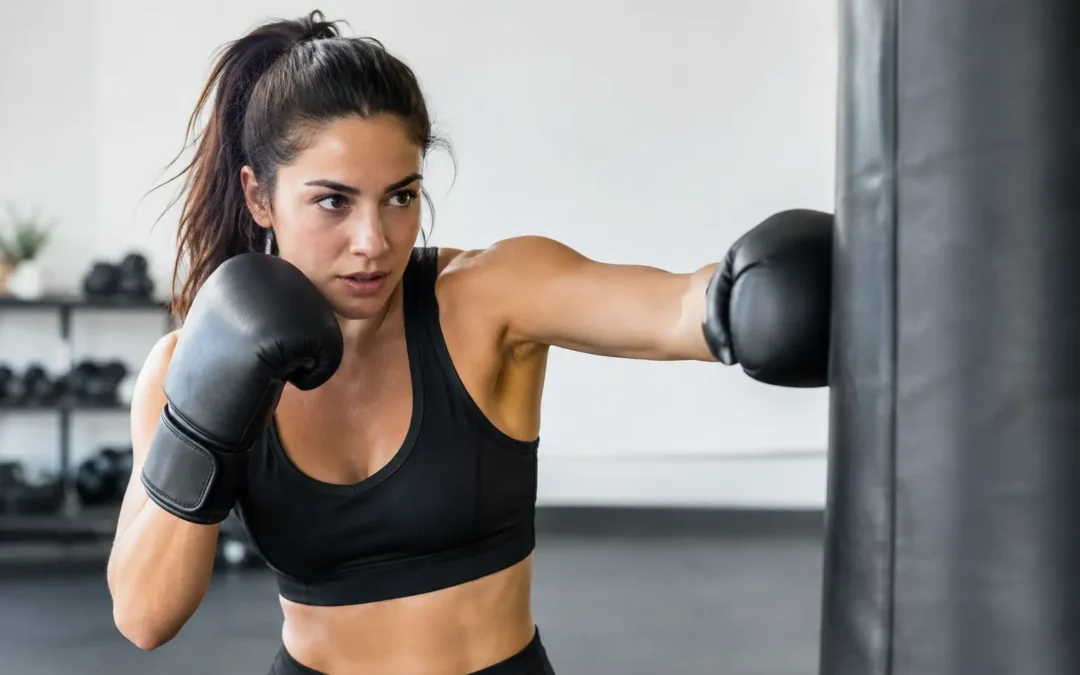
A woman’s first kickboxing class can begin with a simple decision: to do something for herself. Perhaps fitness has slipped down the priority list. Perhaps confidence has taken a knock. Perhaps she wants practical self-defence skills without walking into an intimidating environment. The most meaningful women’s empowerment outcomes do not arrive in one dramatic moment. They build class by class, through learning, showing up and recognising what your body and mind can do.
At Kane Academy, women’s kickboxing is about far more than throwing punches and kicks. It is a structured route towards feeling stronger, safer and more assured, surrounded by people who want to see one another progress.
What women’s empowerment outcomes really look like
Empowerment is often described as a feeling, but it also shows up in everyday actions. It can be the confidence to speak clearly, the fitness to keep up with a busy life, or the calmness to assess a difficult situation rather than panic. In martial arts training, these outcomes are practised, not simply talked about.
For some women, the biggest change is physical. They notice better stamina, coordination, balance and strength. For others, the shift is mental: they stop apologising for taking up space, begin trusting their judgement and learn that being a beginner is not the same as being incapable.
The outcome will depend on your starting point and your reasons for joining. Someone training for stress relief may value the focus of a challenging session. Someone concerned about personal safety may feel reassured by learning how to create distance, use their voice and respond with purpose. Both are valid reasons to train.
Confidence comes from evidence, not empty slogans
Being told to be confident rarely changes much. Confidence becomes more believable when you have evidence for it. A new combination that once felt awkward starts to flow. You hold pads for a partner, support their progress and realise you understand the drill. You complete a session you worried would be beyond you.
These small wins matter because they are repeatable. Kickboxing gives you clear skills to learn and practical markers of progress. You do not need to arrive already fit, coordinated or outgoing. You need a willingness to learn and an environment where coaches break techniques down properly.
That structure is especially valuable for women who have avoided exercise classes because they felt watched, judged or out of place. A supportive women’s class removes much of that pressure. You can focus on your own development, ask questions and improve at a pace that challenges you without making you feel left behind.
Learning to be comfortable with discomfort
Training is not always easy. There will be sessions where a technique takes longer to understand or where your energy is lower than expected. That is not failure. It is part of building resilience.
Martial arts teach a useful distinction: discomfort is not automatically danger. Working hard, getting warm and concentrating under pressure can be uncomfortable, yet safe and productive when coached well. Learning to stay composed through that discomfort can carry into work, family life and other demanding situations.
The trade-off is that progress requires consistency. One class can lift your mood, but lasting confidence tends to come from attending regularly and allowing yourself time to develop. There is no need to be perfect. There is real value in simply returning to the mat.
Fitness with a purpose
Many people join a kickboxing class because conventional gym routines have become repetitive. A treadmill may improve cardiovascular fitness, but it does not teach footwork, timing or how to move with intent. Kickboxing combines conditioning with skill, which can make training feel more engaging.
Sessions can develop cardio fitness, muscular endurance, mobility, coordination and core strength. The pace is adaptable too. A complete beginner can focus on clean technique and controlled movement, while a more experienced member can increase intensity as their fitness improves.
The goal is not to punish your body or chase somebody else’s definition of athletic. It is to become more capable in your own body. That may mean having more energy for your children, feeling stronger on a long day at work, sleeping better or enjoying exercise rather than dreading it.
Practical self-defence starts before physical contact
A good self-defence programme does not promise that a few lessons make anyone invincible. Real situations can be unpredictable, and the safest response is always to avoid conflict where possible and get away.
That said, martial arts training can give women useful tools for recognising risk, setting boundaries and responding decisively if they need to protect themselves. This includes awareness of surroundings, confident body language, verbal assertiveness, creating space and understanding simple, practical movements.
Kickboxing training also helps reduce the freeze response that many people experience under stress. Rehearsing movement, distance and controlled strikes can make the idea of acting feel less unfamiliar. Training is always carried out safely, with clear rules and respect for partners, but it develops the mindset that your safety is worth taking seriously.
Boundaries are a skill
One of the quieter women’s empowerment outcomes is a stronger understanding of boundaries. In class, members learn to communicate. They ask a partner to go lighter, say when something does not feel right and respect the same limits from others.
This is not a small lesson. Practising direct communication in a supportive setting can help people become clearer elsewhere too. Confidence is not about being loud or aggressive. Often, it is the ability to be calm, firm and unambiguous.
Community makes progress easier to sustain
Training alone can be difficult to maintain, particularly when life is busy. A welcoming martial arts community adds accountability without judgement. People notice when you improve, celebrate when you reach a goal and understand the effort involved in getting through the door after a demanding week.
Women’s-only kickboxing offers a space where shared encouragement matters. You may train beside women who are improving their fitness after a long break, building confidence after a difficult period, preparing for a personal challenge or simply enjoying an hour that belongs to them.
There is still room for individual goals. Some members want a serious fitness challenge; others want a friendly introduction to martial arts. The strongest classes make space for both. Professional coaching, clear standards and kindness can sit together.
How to get the most from your training
Start with a beginner mindset. Wear comfortable training clothing, listen to your coach and allow yourself to learn one piece at a time. You do not need expensive equipment or prior experience to take a first step.
Set a goal that is personal and measurable. It could be attending once a week for a month, improving your stamina, learning a set of basic combinations or feeling more confident holding pads with a partner. Specific goals make progress easier to notice.
It also helps to reflect after class. Ask yourself what felt better than last time, what you found challenging and what you want to work on next. This turns training into an ongoing conversation with your own progress rather than a test you either pass or fail.
If you are local to Huddersfield and curious about women’s kickboxing, a trial session is a practical way to see whether the class feels right for you. Bring your nerves if you have them. Most people do at first. Then give yourself the chance to leave knowing you have done something positive, purposeful and entirely your own.