
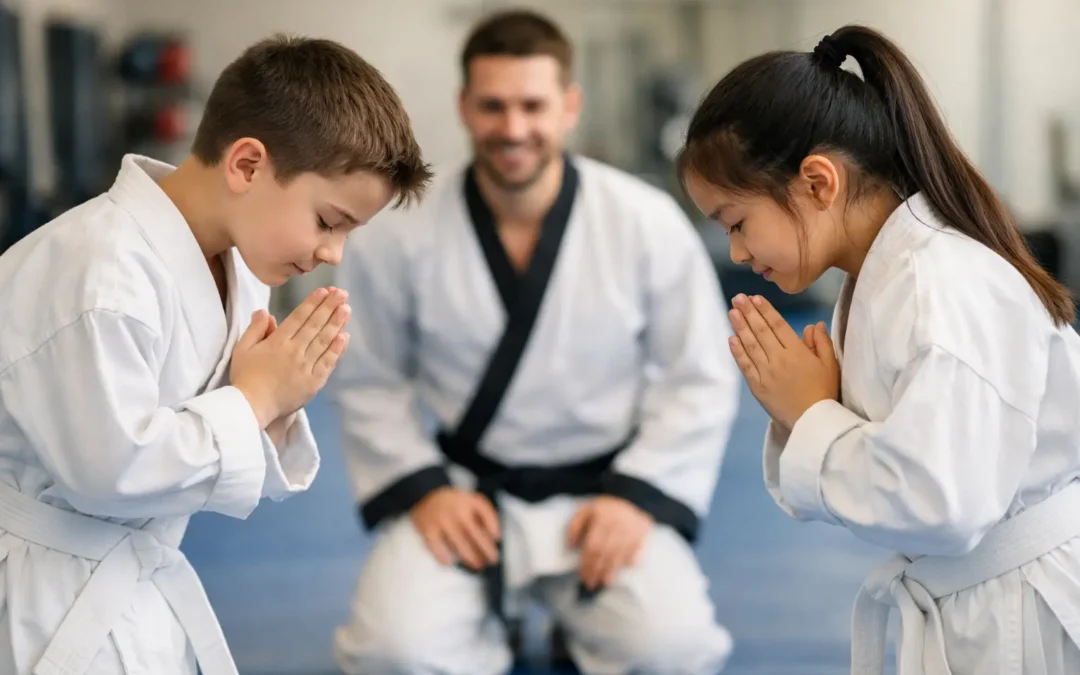
A difficult morning, a disagreement at school, or another reminder to listen can leave parents wondering: can martial arts improve child behaviour? For many children, the answer can be yes – not because kicking and punching somehow create instant obedience, but because a well-run class gives them regular practice in skills that behaviour depends on: listening, managing feelings, respecting boundaries and trying again after mistakes.
Martial arts is not a quick fix, and it should never be presented as one. Children still need consistent routines, clear expectations and support at home and school. But structured training can become a powerful part of that wider picture, particularly when it is taught in a safe, positive environment where personal growth matters as much as technique.
How martial arts can improve child behaviour
The strongest benefit of martial arts is its structure. From the moment a child enters the training area, there are simple expectations: line up, listen, wait for instructions, practise safely and treat other people with respect. These routines are repeated every week, which gives children more than a rule to remember. It gives them a chance to rehearse positive behaviour until it becomes more familiar.
For younger children, that repetition is especially valuable. A child may not be able to sit still for long or follow a long chain of instructions, but they can learn to stop when asked, copy a movement, take turns and return to the group. Small wins matter. Being praised for trying, showing control or helping a partner teaches a child that good choices are noticed.
A quality martial arts class also makes boundaries feel practical rather than abstract. Children learn that power comes with responsibility. They can practise punches, kicks and self-defence skills, but only with control, appropriate distance and coach-led rules. This helps reinforce an important lesson: being strong does not mean being aggressive.
Focus grows through purposeful activity
Some children struggle with focus because they have a lot of energy, not because they do not want to cooperate. Martial arts gives that energy a clear job. A child has to watch a demonstration, remember a sequence, coordinate their body and respond to a command. They are active, but they are also thinking.
Over time, this can help children become more comfortable concentrating for short periods. They learn that paying attention leads to progress: a cleaner stance, a new combination, a stripe on their belt or the confidence to take part in a grading. The aim is not perfection. It is helping children recognise that effort and attention produce results.
This is one reason age-appropriate classes matter. Four to seven-year-olds need lively, simple activities with plenty of encouragement. Children aged seven to twelve can usually take on more technical challenges, partner work and responsibility. When expectations match a child’s stage of development, discipline feels achievable rather than overwhelming.
Confidence can reduce challenging behaviour
Behaviour that looks defiant is sometimes rooted in anxiety, frustration or low confidence. A child who expects to fail may avoid instructions, lash out when corrected or try to become the centre of attention. Martial arts gives children a steady route to prove to themselves that they can learn difficult things.
Progress is visible. They may begin by struggling to balance, feeling shy in a group or needing reminders to stay on task. A few weeks later, they can complete a drill, answer with a confident voice or encourage another child. Those moments build a quieter, more secure kind of confidence.
Confident children do not suddenly stop having big feelings. What often changes is their belief that they can handle a challenge without giving up or reacting immediately. That can make a real difference at home, in the classroom and with friends.
Respect, resilience and emotional control
Good martial arts instruction is built around respect. Children learn to acknowledge coaches and training partners, take care of equipment, listen when someone else is speaking and use their skills safely. Respect is not about making children fearful or silent. It is about helping them understand that everyone in the class deserves to feel safe and included.
Resilience develops in the same way: through manageable challenge. A child may find a technique awkward, lose their place in a sequence or feel disappointed that a grading is still some weeks away. With patient coaching, they learn to reset, practise and improve. Rather than being told simply to “be resilient”, they experience what resilience feels like.
Martial arts can also give children useful language for emotional control. Coaches may talk about staying calm, breathing, using a strong voice or stepping back when something feels unsafe. These are practical self-regulation skills, not just sporting habits. The child who learns to pause before a drill can gradually become better at pausing before an angry response too.
That transfer is not automatic, however. It works best when parents reinforce the same messages outside class. If a coach praises perseverance, a parent can recognise it when homework feels difficult. If a child practises respectful listening in class, families can notice and encourage it at the dinner table. Consistency helps the lesson travel beyond the training floor.
What parents should realistically expect
It is reasonable to hope that martial arts will support better behaviour, but it helps to set realistic expectations. Some children settle quickly into routine. Others may need several sessions before they feel safe enough to join in fully. A shy child may watch quietly at first; an excitable child may need frequent reminders. Neither response means the class is not working.
Behaviour can also wobble before it improves. Learning new boundaries is challenging, particularly for children who are used to avoiding unfamiliar situations or reacting strongly to correction. The right coach will be firm, kind and consistent, helping a child return to the activity without shaming them.
Parents should be cautious of any programme that promises instant transformation or relies on harsh discipline. Children learn best when they feel secure, respected and challenged at the right level. The goal is not to produce a child who follows every instruction without question. It is to help them become more self-aware, capable and considerate.
For children with additional needs, the approach may need adapting. Clear visual demonstrations, predictable routines, extra processing time and patient communication can make a significant difference. Before enrolling, it is sensible to speak openly with the academy about your child’s needs, strengths and any support that helps them participate. Inclusive coaching starts with understanding the individual child.
Choosing a class that supports positive behaviour
Not every martial arts environment offers the same experience. Look beyond the style or the colour of the belts and consider how children are actually taught. A supportive class should be organised, energetic and welcoming, with coaches who set clear expectations without intimidating children.
Ask how beginners are introduced, whether children are grouped by age, and how coaches respond when a child is struggling to listen or regulate their emotions. You should also see positive behaviour being recognised, not just technical performance. The child who shows kindness, tries again or helps a new starter is demonstrating the qualities that matter for life beyond martial arts.
At Kane Academy, children are taught in age-specific programmes that combine kickboxing and martial arts skills with confidence, discipline, resilience and respect. The focus is on helping every child make progress from their own starting point, whether they arrive full of energy, quietly anxious or completely new to group activities.
Helping the benefits continue at home
A few simple conversations can help training have a wider effect. After class, instead of only asking what technique your child learned, ask what they found difficult, when they showed good focus or who they helped. This makes character development feel as meaningful as the physical skills.
You can also create a small routine around attendance: packing kit together, arriving on time and talking about one goal for the session. These habits build ownership. When a child sees martial arts as something they are responsible for, rather than something being done to them, they are more likely to engage with the discipline behind it.
The real value of martial arts is not that it makes children quieter or easier to manage. It is that, with the right coaching and steady support, it gives them a place to practise becoming stronger in character as well as body. Start with a welcoming trial class, give your child time to settle, and look for the small moments of growth that add up.