
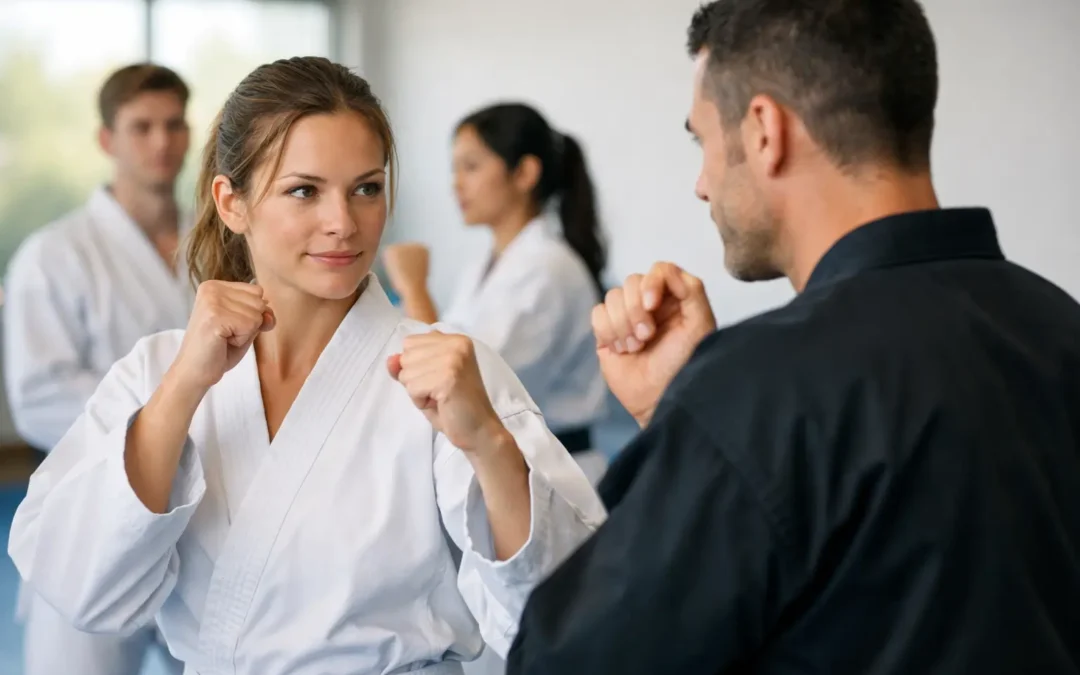
Starting martial arts can feel like a big step, especially if you are worried about fitness, confidence or walking into a class where everyone else seems more experienced. A ten week martial arts beginner course changes that feeling. Rather than being expected to keep up from day one, you begin with a clear plan, supportive coaching and a group of people who are starting their own journey too.
For parents, it can be the first positive routine that helps a child stand taller, listen more carefully and believe they can improve. For adults and teenagers, it can be a practical reset: time away from the daily rush to build fitness, learn self-defence and work towards something meaningful.
What a ten week martial arts beginner course gives you
A good beginner course is not about throwing you into advanced techniques or testing how tough you are. It is about giving you enough time to build real foundations. Ten weeks is long enough to turn a new activity into a habit, while still feeling like an achievable commitment for a complete beginner.
At Kane Academy, the beginner pathway is structured to make the next step clear. Your course includes lessons, the essential equipment needed to train safely, licencing, certification and progress towards your first grading. That removes much of the uncertainty that can stop people from getting started. You know what you are working towards, what you need to bring and how your progress will be recognised.
The real value is not only in the kit or certificate. It is in showing up each week and noticing that movements which felt awkward at first now feel sharper, stronger and more natural.
The first few weeks: learning to feel comfortable
Nobody expects a beginner to arrive with perfect balance, flexibility or technique. The early sessions are designed to introduce the basics at a manageable pace. You will learn how to stand well, move safely, hold pads correctly and deliver fundamental strikes with control.
For children, these lessons are also about focus, coordination and following instructions. They learn that effort matters, that mistakes are part of learning and that respectful behaviour is expected. Those lessons can carry into school, home life and friendships.
Adults often notice a different benefit first: the relief of being able to concentrate fully on one thing. A kickboxing session gets the body moving and gives the mind a break from work, screens and everyday pressures. You do not need to be naturally sporty to enjoy that feeling. You simply need to start where you are.
There may be moments when you feel out of breath, uncoordinated or unsure of a sequence. That is normal. Martial arts progress is built through repetition, not instant perfection. A positive beginner class makes room for questions and gives you practical coaching without making anyone feel left behind.
Safety, control and respect come first
Martial arts is sometimes misunderstood as aggressive. Proper training teaches the opposite. Beginners learn control, awareness and responsibility from the outset. Techniques are practised in a structured environment, with clear boundaries and age-appropriate coaching.
Self-defence is not about looking for confrontation. It is about improving awareness, creating space, using confident body language and knowing simple, practical responses if a situation cannot be avoided. For children, that includes the confidence to use their voice, seek help and understand when to walk away.
This is why choosing a professionally led programme matters. Good coaching combines technical standards with a supportive atmosphere, so every member can train with confidence.
How confidence grows over ten weeks
Confidence rarely arrives as one dramatic moment. It grows through small proof. A child who initially avoids eye contact may begin volunteering to demonstrate a drill. A teenager who worries about being judged may find their place in a welcoming group. An adult who has not exercised in years may complete a full session and realise they are far more capable than they thought.
The course structure supports these small wins. Each week gives you another chance to practise, improve and be encouraged. Progress is visible in the way you stand, the way you move and the way you respond when something is difficult.
For shy children, this can be especially powerful. They do not need to become the loudest person in the room. The goal is a quieter, steadier confidence: being willing to join in, try again and speak up when it matters. Some children flourish quickly in a group setting; others need more time and patient reassurance. Both are valid paths forward.
Fitness without the pressure of a gym
A ten-week course can also be an excellent route into regular exercise. Martial arts training develops cardiovascular fitness, strength, mobility, coordination and balance, but it does so through purposeful activity. You are not simply counting repetitions. You are learning skills as your fitness improves.
The intensity can be adjusted to the individual. Someone returning to exercise after a long break may need to pace themselves, while a naturally energetic teenager may benefit from a bigger physical challenge. The important thing is consistency. One good session a week, followed by another, builds momentum.
It is worth being realistic. Ten weeks will not make every goal happen overnight. If weight loss is your main aim, nutrition, sleep and day-to-day activity still matter. If your aim is advanced self-defence skill, that takes ongoing practice beyond a first course. What ten weeks can do is give you a strong start, better fitness and the confidence to keep going.
What happens as you approach your first grading?
A grading gives beginners a meaningful target. It marks the techniques, knowledge and attitude they have worked to develop. Preparing for it helps students understand that martial arts is about more than powerful kicks or fast punches. Good stance, concentration, respect, control and perseverance all count.
For many children, earning that first recognition is a proud moment because they know it was achieved through commitment. Parents often see the difference not just in the certificate, but in the sense of responsibility their child has developed along the way.
For adults, a grading can be a reminder that personal development does not have an age limit. It is satisfying to set a challenge, train towards it and see your effort rewarded. Still, it should never feel like pressure. If someone needs more time to feel ready, good instructors help them develop at the right pace.
Choosing the right class for your family or goals
The best course is one that fits the student, not one that forces every person into the same experience. Young children need a playful, structured environment that builds movement skills and listening. School-age children benefit from clear routines, confidence-building challenges and friendships. Teenagers often want fitness, self-defence and a place where they can develop independence. Adults may be looking for stress relief, improved health or a practical new skill.
Women’s kickboxing offers a dedicated route for women who prefer to begin in a supportive female-focused class. Children with additional needs may benefit from patient coaching and an approach that recognises individual development. Before joining, ask which programme is appropriate for the student’s age, experience and needs.
A trial session can be helpful if you are unsure. It lets you see the coaching style, meet the community and experience the class for yourself before committing. The right environment should feel welcoming, well organised and encouraging from the first visit.
Make the most of your ten weeks
The most successful beginners are not necessarily the fittest or most naturally coordinated. They are the people who attend consistently, listen carefully and stay open to learning. Arrive a little early, wear comfortable clothing if your course equipment has not yet arrived, bring water and let your instructor know about any injuries or concerns.
Parents can help by celebrating effort rather than demanding perfection. Ask your child what they practised, not only whether they were the best in the class. Adults can help themselves by treating training time as an appointment worth keeping. Progress is easier when it becomes part of the weekly routine.
Ten weeks can be the start of stronger fitness, practical skills and a much more confident mindset. The only requirement is a willingness to take that first class, learn at your own pace and give yourself the chance to grow.