
If your teenager seems to spend every spare moment gaming, scrolling or watching videos, you are not alone. Screens are an easy source of entertainment, connection and escape: but too much sedentary time can affect sleep, fitness, confidence and mood.
The answer is rarely to remove devices completely. A more effective approach is to help your teen discover something active, social and genuinely enjoyable enough to compete with screen time.
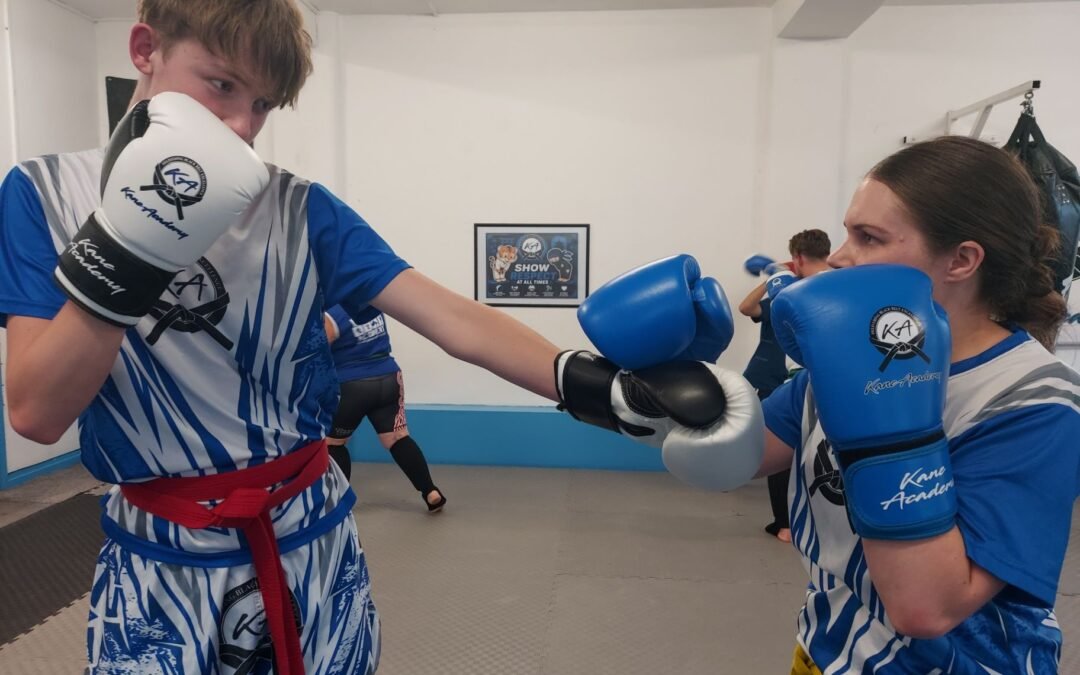
For many families in Huddersfield, Kirklees and across West Yorkshire, martial arts can provide that positive alternative. Kickboxing gives teenagers a structured challenge, a supportive peer group and regular opportunities to build confidence: without making them feel as though they are being punished.
Start with collaboration, not confrontation
Before suggesting kickboxing, ask your teenager what they would actually like to change.
They may want to:
- Feel fitter and more energetic.
- Become more confident around other people.
- Learn practical self-defence skills.
- Manage stress or frustration.
- Make new friends.
- Try something different from traditional team sports.
- Spend less time online without giving up their entire social life.
Listen first, then connect martial arts to their goals. Instead of saying, “You spend too much time on your phone,” try:
“Would you like to try something that could improve your fitness and confidence while helping you meet people your age?”
This small change in language gives your teenager ownership. Feeling involved in the decision makes them more likely to attend: and more likely to continue.
Choose an activity that feels exciting, not corrective
Teenagers are unlikely to embrace an activity that feels like another chore imposed by adults. Kickboxing can feel different because it combines fitness, skill, music, movement, challenge and progression.
A typical session may include:
- Warm-ups and mobility work.
- Technique practice.
- Pad work and combinations.
- Strength and conditioning.
- Partner exercises.
- A short review or cool-down.
This variety helps keep sessions engaging. Your teenager is not simply running on a treadmill or being told to exercise; they are learning a practical skill and working towards clear milestones.
At Kane Academy, personal development is at the centre of every programme. Students are encouraged to become more resilient, respectful and self-disciplined while building their physical ability. The aim is not to create aggression. It is to help young people develop control, focus and belief in themselves.

Explain the benefits beyond fitness
Fitness is an important reason to start, but it may not be the reason your teenager stays.
Research supports the wider benefits of regular physical activity and martial arts participation. A systematic review of martial arts research found positive links with physical fitness and aspects of psychological wellbeing. The important takeaway for parents is simple: a structured activity can support the whole person, not just their physical health.
1. Confidence through visible progress
Teenagers often compare themselves with others online and can become focused on what they believe they cannot do. Martial arts provides a healthier way to measure progress.
They may begin by learning one stance or combination. Over time, they improve their technique, stamina and coordination. Each improvement becomes evidence that effort creates results.
This helps your teen build self-belief based on experience rather than likes, comments or online approval.
2. Discipline without constant reminders
Good discipline is not about shouting louder. It is about creating routines and helping young people understand the value of consistency.
Attending regular classes teaches your teenager to prepare, arrive on time, listen carefully and keep going when something feels difficult. These habits can support schoolwork, sleep routines and other responsibilities.
By training in a positive environment, your teen learns that discipline can be empowering rather than restrictive.
3. A positive peer group
Many parents worry about who their teenager spends time with. A welcoming martial arts club gives young people the chance to build friendships around shared effort and respect.
The group is working towards something together. Students encourage one another, practise safely and celebrate progress. This creates a sense of belonging that scrolling through social media cannot always provide.
A positive peer group can be especially valuable for teenagers who feel shy, isolated or unsure where they fit in.
4. Stress relief and mental wellbeing
School pressure, exams, friendships and social media can all contribute to stress. Physical activity offers a practical way to release tension and reset mentally.
Focused training also gives your teenager time away from notifications and online comparisons. For 45 minutes, their attention is on movement, technique and the coach’s instructions.
This is not a replacement for professional mental health support where that is needed. However, regular activity, supportive relationships and healthy routines can all contribute to better wellbeing.
Make the first step feel manageable
A teenager may resist starting because they imagine everyone else will be fitter, more experienced or more confident. Reassure them that every student was new once.
Use these practical steps:
1. Book a trial session
A trial session removes the pressure of making a long-term decision. Your teenager can experience the class, meet the instructors and decide how it feels.
Kane Academy welcomes new members of all ages and fitness levels. You can book a trial class pass before committing to regular training.
2. Let them choose what to wear
They do not need to arrive with perfect equipment or specialist knowledge. Comfortable sports clothing is enough to begin. As they progress, they can choose their gloves or uniform when they feel ready.
Giving your teen small choices helps the experience feel like theirs.
3. Attend with a friend or family member
Ask whether your teenager would like to bring a friend. Alternatively, consider the Saturday family session if training together would make the first visit less intimidating.
Kane Academy’s current timetable includes a Teenager Kickboxing class for ages 13+ on Tuesdays and Thursdays from 6:30pm to 7:15pm. There is also a Teenager & Family Kickboxing session on Saturdays from 12:15pm to 1:00pm.
You can check the full Kane Academy timetable before choosing the most convenient option.

Choose the right coaching environment
The club you choose will have a major influence on whether your teenager enjoys training.
Look for:
- Qualified martial arts teachers who explain techniques clearly.
- Coaches who support beginners without embarrassing them.
- Age-appropriate instruction and safe progression.
- A clear emphasis on respect, self-control and personal development.
- A friendly atmosphere where every fitness level is welcomed.
- Appropriate equipment and well-managed partner work.
- Opportunities for students to recognise their progress.
If your teenager feels nervous, ask how the club supports new students. You can also mention whether they would feel more comfortable learning from female instructors or having a female coach involved in their induction.
At Kane Academy, students benefit from instruction led by world champion Rebecca Kane and a supportive coaching team. Rebecca’s approach focuses on helping pupils grow in confidence and develop the skills needed to become champions in life: not only in competition.
Replace screen time instead of simply removing it
Trying to eliminate every screen can create unnecessary arguments. Instead, create a balanced family routine.
For example:
- Keep devices away during meals.
- Set a consistent “class night” routine.
- Encourage your teenager to pack their kit before screen time begins.
- Use reminders rather than repeated instructions.
- Keep phones out of the bedroom overnight where possible.
- Allow reasonable downtime after training.
- Celebrate attendance and effort rather than demanding instant perfection.
On training days, a simple routine might be:
- Finish schoolwork.
- Eat a light meal or snack.
- Pack gloves, water and comfortable clothing.
- Attend kickboxing.
- Shower, eat and relax afterwards.
This removes the daily negotiation. Training becomes a normal part of family life rather than another argument about what your teenager should be doing.
Celebrate effort, not just achievement
Your teenager may not love every session immediately. They may feel tired, awkward or disappointed when a technique takes time to learn.
Focus your encouragement on effort:
- “You kept going when that was difficult.”
- “I noticed how carefully you listened.”
- “You looked more confident today.”
- “It is great to see you giving yourself time to improve.”
Avoid comparing them with other students. The goal is not to become the best person in the room on the first day. The goal is to become a little stronger, more focused and more confident over time.

Take the next step together
Getting your teenager off screens does not have to become a battle. Start by understanding what motivates them, offer a choice and introduce an activity that delivers real benefits in a positive environment.
Martial arts can help your teenager:
- Improve fitness and coordination.
- Build confidence through steady progress.
- Develop discipline and resilience.
- Meet positive peers.
- Manage everyday stress.
- Learn practical self-defence skills.
- Become part of a welcoming community.
If you are looking for martial arts in Huddersfield for a teenager aged 13–17, explore Teenage and Adult Kickboxing at Kane Academy. Check the current timetable, talk through the options with your teenager and book a trial session.
The first step does not need to be dramatic. It only needs to be positive, manageable and theirs.