
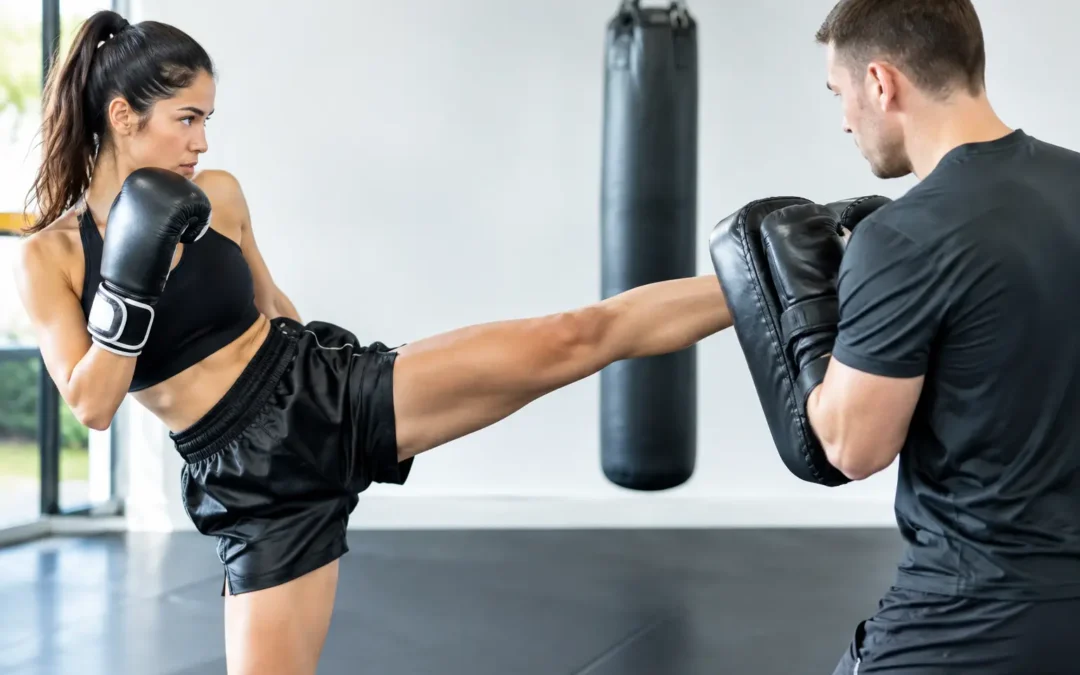
A child standing at the edge of their first class, or an adult considering a new way to get fit, often has the same thought: “Is kickboxing safe?” Asking kickboxing safety questions is not a sign that you or your child are not ready. It is how confident, sensible people choose the right place to train.
Kickboxing is a physical activity, so it carries some risk, just as football, gymnastics and cycling do. The goal is not to pretend risk does not exist. The goal is to manage it properly through qualified coaching, age-appropriate classes, clear rules, suitable equipment and a culture where every student looks after their training partners.
Is kickboxing safe for complete beginners?
Yes, when beginners are taught progressively. Nobody should walk into their first lesson and be expected to spar hard, perform advanced kicks or keep pace with experienced students. Good instruction starts with posture, balance, movement, basic striking technique and controlled fitness work.
For adults, this means learning at a pace that lets the body adapt. You can improve your cardio, coordination and strength without feeling thrown in at the deep end. For children, it means lessons are designed around their stage of development, attention span and confidence level. A four-year-old needs a very different session from a teenager preparing for a grading.
At Kane Academy, structured progression matters because confidence grows when students know what is expected of them. Small wins – learning a guard position, remembering a sequence or completing a round of pad work – build capability without unnecessary pressure.
What safety rules should a kickboxing class follow?
The safest classes are organised before anyone throws a strike. Coaches should explain how the session works, demonstrate movements clearly and make sure students have enough space to train. They should correct unsafe technique early, not wait until somebody is hurt or embarrassed.
Students also need clear standards of behaviour. Kickboxing develops discipline because people learn that control is not optional. You listen when instructions are given, respect your partner’s level, keep your hands and feet to yourself outside the activity, and stop immediately when a coach says so.
This matters especially in children’s classes. Martial arts should never reward roughness or encourage children to use techniques carelessly. The real lesson is self-control: having the skill to strike, but also the judgement to know when not to. That is a valuable confidence skill at school, at home and in everyday life.
Is contact compulsory?
No. Contact should always be introduced carefully, if it is included at all. A beginner can gain a huge amount from non-contact drills, pad work, movement exercises and technical practice. These develop fitness and genuine martial arts foundations while keeping the focus on precision.
Controlled partner drills may be used as a student gains experience, but they should be supervised and matched sensibly. Hard sparring is not a shortcut to becoming skilled. In fact, pushing contact too early can lead to poor habits, anxiety and avoidable injuries. Good kickboxing is controlled kickboxing.
Parents should feel comfortable asking how contact is managed in a children’s class. Adults should ask too. A professional academy will welcome the question and give a clear answer.
What protective equipment is needed?
The right equipment depends on the class, the student’s age and the type of activity being practised. In general, protective kit is there to reduce impact and help students train with confidence, not to make unsafe behaviour acceptable.
For pad work and striking practice, well-fitted gloves are commonly used to protect hands and wrists. Where controlled contact training is appropriate, further equipment may include a mouthguard, shin protection and other safety items specified by the coach. Children should use kit selected for their size, rather than trying to make do with oversized adult equipment.
Fit matters as much as owning the equipment. Gloves that are too loose can affect wrist support. A mouthguard that does not fit correctly cannot offer the protection it should. If you are unsure what to buy, ask before making a purchase. A structured beginner course that includes essential equipment can remove a lot of guesswork for families and first-time students.
Keep kit clean and in good condition. Air gloves after training, wash clothing promptly and replace damaged equipment. It is a simple habit that supports hygiene, comfort and respect for the people training around you.
Can kickboxing cause injuries?
Any active sport can cause bumps, strains or soreness. Kickboxing is no exception. Muscle fatigue after a new session is normal, especially if you are returning to exercise after a break. Sharp pain, swelling, dizziness, pain that worsens, or anything that changes how you move is different and should never be ignored.
The best prevention is not bravery. It is good preparation. Warm up properly, learn technique before adding speed or power, wear the required protection and tell your coach about a concern straight away. Trying to “push through” an injury rarely proves commitment. It usually delays your progress.
If you have a medical condition, are recovering from an injury, are pregnant, or have concerns about your child’s health or additional needs, speak with an appropriate healthcare professional and let the coach know before training. A supportive instructor can often adapt exercises, but they need the right information to do so.
Should children spar?
It depends on the child’s age, maturity, experience and the academy’s safeguarding approach. Sparring is not essential for a child to enjoy kickboxing, develop confidence or progress through a structured programme. Many of the benefits parents want – focus, fitness, coordination, resilience and positive social skills – are built through carefully coached non-contact activities.
Where light, controlled partner work is used, it must be closely supervised, based on clear rules and suitable for the individual child. No child should feel pressured to take part in an activity that frightens them or exceeds their current ability. The best coaches challenge children while making them feel safe enough to try.
How do instructors keep classes safe for mixed abilities?
A good class is not one where everyone does exactly the same thing. It is one where everybody has a meaningful challenge. A new adult may be practising footwork slowly while a more experienced student refines timing and combinations. A shy child may work with a coach or trusted partner before joining a larger drill.
This is particularly valuable for children with additional needs. Inclusion does not mean ignoring individual differences. It means taking time to understand how a child learns, communicating clearly and adapting where appropriate so they can take part, improve and belong.
Students should never be laughed at for getting something wrong, needing a break or asking for help. A kind class culture makes training safer because people are more likely to speak up when something does not feel right.
Questions to ask before your first lesson
Before joining a kickboxing class, ask how beginners are introduced, whether sessions are separated by age or experience, and what equipment is needed. Ask how instructors manage contact and sparring, what qualifications and safeguarding procedures are in place, and how they support students who are nervous, returning after injury or have additional needs.
Notice the answers, but also notice the attitude behind them. You want a team that is calm, specific and happy to explain. Vague promises that a class is “safe” are less reassuring than a coach who can describe their rules, progression and approach to supervision.
A trial session is a useful opportunity to see the environment for yourself. Look for clear coaching, respectful students, purposeful activity and encouragement that is matched with standards. The right class should leave a beginner feeling challenged, welcomed and keen to return – not overwhelmed.
Safety in kickboxing is not about holding people back. It is what allows children, teenagers and adults to train consistently enough to become fitter, more resilient and genuinely confident. Start at the right level, ask the questions that matter, and give yourself or your child the chance to grow in a supportive community.