
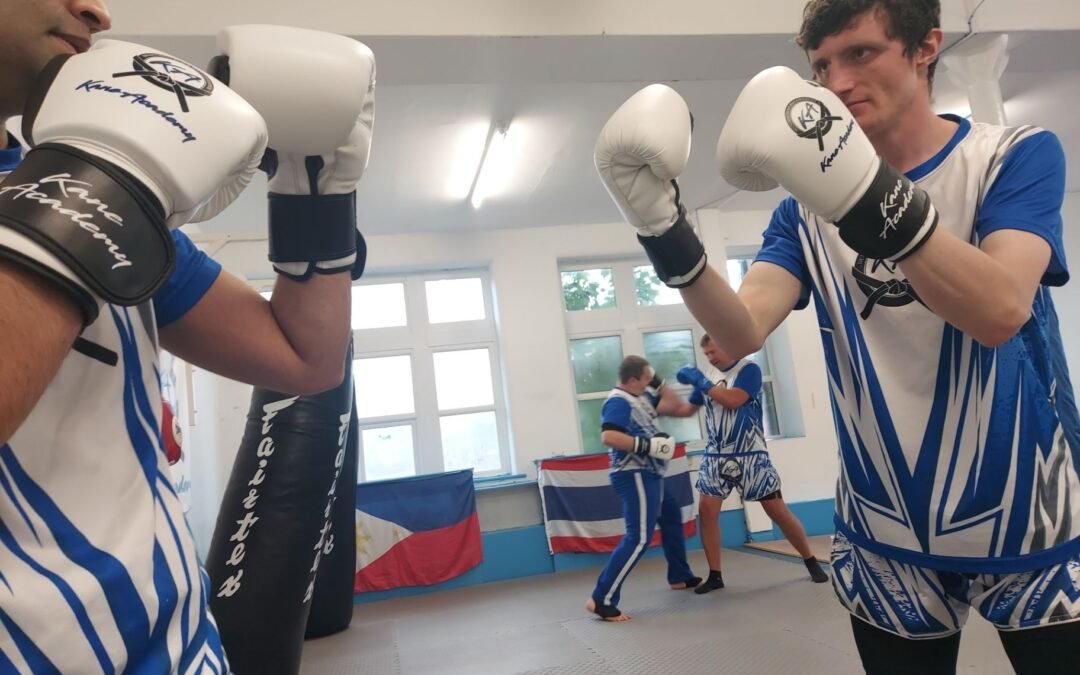
If you are over 40 and wondering whether kickboxing is still suitable for you, the short answer is yes.
You are not too old to start. You do not need to be naturally athletic, experienced in martial arts or already in excellent shape. You simply need the right coaching, a sensible pace and a supportive environment that helps you progress safely.
At Kane Academy in Marsh, Huddersfield, adults of all ages and fitness levels are welcome. Our training is designed to help you improve your fitness, confidence, mobility and energy without leaving you alone on gym equipment or expecting you to keep up with someone else.
Is 40 too old to start kickboxing?
This is one of the most common concerns we hear from new adults:
- “I have not exercised for years.”
- “My joints are not as flexible as they used to be.”
- “Everyone else will be younger and fitter.”
- “I am worried about getting injured.”
- “I do not want to spar or be thrown into the deep end.”
These concerns are understandable, but they should not prevent you from taking the first step.
Kickboxing is not about proving how tough you are. It is about learning effective movement, building strength and challenging yourself at a level that is appropriate for you. A good instructor will adapt exercises, explain techniques clearly and help you improve gradually.
Your age may influence how you train, but it does not define what you can achieve.

What does the research say about exercise after 40?
Research into martial arts and kickboxing-style training is encouraging. Studies involving adults over 40 have reported improvements in areas such as balance, mobility, muscular strength and physical performance when training is supervised and adapted to individual ability.
One study involving adults aged 50–85 found that a 12-week group kickboxing programme was associated with improvements in body composition, handgrip strength and walking speed. Research reviews into combat sports and hard martial arts have also reported potential benefits for balance, flexibility, agility and functional fitness.
The evidence is promising, although researchers rightly point out that many studies are small and that more high-quality research is needed. The most important takeaway is simple: age-appropriate martial arts training can be a positive form of exercise for older adults when it is delivered responsibly.
You can also review the NHS physical activity guidelines for adults aged 19 to 64 and the UK Government’s physical activity guidelines.
Five ways kickboxing can support your health and wellbeing
Kickboxing offers more than a demanding workout. It combines cardiovascular exercise, strength, coordination, mobility, learning and community in one session.
1. Improve your fitness without using a traditional gym
Many people dislike gyms because they feel unsure what to do, do not enjoy using machines or lose motivation when exercising alone.
Kickboxing gives you a structured session from start to finish. You are guided through warm-ups, technique practice, pad work, conditioning and cool-down exercises. This helps you stay focused and makes your workout feel purposeful.
You can work at your own level while gradually improving your stamina and strength.
2. Support healthy weight management
Kickboxing can be an effective way to increase your overall activity. Punches, kicks, footwork and bodyweight exercises involve the whole body, creating a varied session that can raise your heart rate and build muscular endurance.
However, sustainable weight management is not about exhausting yourself every time you train. The most valuable approach is to attend consistently, make sensible lifestyle choices and build your fitness gradually.
By choosing an activity you enjoy, you are more likely to stay active over the long term.
3. Increase energy and reduce stress
Work, family responsibilities and daily pressures can leave you feeling mentally tired. A focused kickboxing session gives you time to step away from those demands.
Learning combinations requires concentration. Pad work gives you a physical outlet. Completing a session can create a genuine sense of achievement, even if you started the day feeling low on energy.
Regular exercise is also associated with improvements in mood, sleep and stress management. You do not need to train perfectly to benefit. Turning up consistently is what matters.
4. Maintain mobility, balance and coordination
As you get older, maintaining mobility and balance becomes increasingly important. Kickboxing involves controlled movements through different ranges of motion, changes of direction and coordination between your upper and lower body.
Your instructor can adjust the height, speed and intensity of movements to suit your current ability. This helps you develop better control without forcing you into positions that feel uncomfortable.
Start with good technique rather than trying to kick high or move quickly. Mobility and coordination can improve over time through patient, regular practice.
5. Build confidence and social connection
Starting something new after 40 can feel intimidating. You may worry about being judged or feel that everyone else will know more than you.
At Kane Academy, the emphasis is on personal development, kindness, resilience and continuous growth. You train alongside people who are also working towards their own goals. There is no need to compare your first session with somebody else’s tenth year.
The supportive atmosphere can help you build confidence both inside and outside the academy. You may also develop new friendships and enjoy being part of a positive community.
How to train safely after 40: five practical steps
Safety begins before you throw your first punch. Follow these principles to make your training positive and sustainable.
1. Be honest about your starting point
Tell your instructor about your current fitness level, previous injuries and any concerns you have. This allows them to offer suitable variations and manage the intensity of your session.
If you have a long-term health condition, significant joint problems or have been inactive for a prolonged period, speak with your GP or an appropriate health professional before starting a new exercise programme.
2. Begin with technique, not intensity
Your first goal should be learning stance, balance, breathing and basic movement. Do not worry about hitting hard or moving at maximum speed.
Correct technique helps you train more efficiently and reduces unnecessary strain. As your body becomes familiar with the movements, you can gradually increase your pace and conditioning.
3. Warm up and cool down properly
A structured warm-up prepares your muscles and joints for activity while helping you focus on the session. Cooling down gives you time to reduce your intensity gradually and reflect on what you have achieved.
Never feel that warm-ups are a waste of time. They are an important part of training safely, especially if you are returning to exercise.
4. Listen to your body
Muscular effort and mild post-exercise soreness can be normal when you begin. Sharp, sudden or persistent pain is different and should not be ignored.
Tell your instructor if something does not feel right. Take a break when needed and allow your body time to recover. Progress is not measured by how much discomfort you can tolerate.
5. Progress consistently
One or two sessions each week can be an excellent starting point. Give yourself time to adapt before adding more training.
Consistency is more valuable than trying to do too much in your first few weeks. Small improvements in stamina, balance, technique and confidence will add up.

Do you have to spar?
No. Many beginners are surprised to learn that kickboxing training does not mean being forced into hard contact.
You can learn through shadowboxing, pad work, footwork, combinations, fitness drills and controlled partner exercises. If you eventually want to try sparring, it should only happen when you feel ready and under suitable supervision.
Your goals may be fitness, weight management, stress relief, confidence or mobility. You do not need to compete to benefit from kickboxing.
What can you expect at Kane Academy?
Kane Academy provides coaching rather than simply giving you access to equipment and leaving you to work things out alone. Sessions are structured, progressive and designed to welcome different ages and fitness levels.
You will benefit from world champion instruction from Rebecca Kane, while training in a family-friendly environment that values personal development as much as physical performance.
You can learn more about our adult kickboxing programme and Kane Academy classes. New members can also explore our introductory courses before committing to regular training.
Confirmed class times
The current timetable includes:
- Tuesday, 7:15pm–8:00pm: Teen & Adult Kickboxing
- Thursday, 7:15pm–8:00pm: Teen & Adult Kickboxing
- Saturday, 12:15pm–1:00pm: Family Kickboxing, with ages 12+ welcome
You can view the full Kane Academy timetable before booking your trial session.
Your next step starts with one session
Starting kickboxing after 40 is not about trying to become the fittest person in the room on your first day. It is about choosing to invest in your health, confidence and future.
You can begin gently. You can ask questions. You can take breaks. You can improve at your own pace.
Whether you live in Huddersfield, Marsh, Lindley, Salendine Nook, Oakes, Fixby, Greenhead or elsewhere in Kirklees, Kane Academy offers a welcoming place to unleash your inner warrior and make meaningful progress.
You are not too old. You are simply ready to begin at the right level, with the right support.
Book your trial or contact Kane Academy and take the first step towards greater fitness, energy, mobility and confidence.