
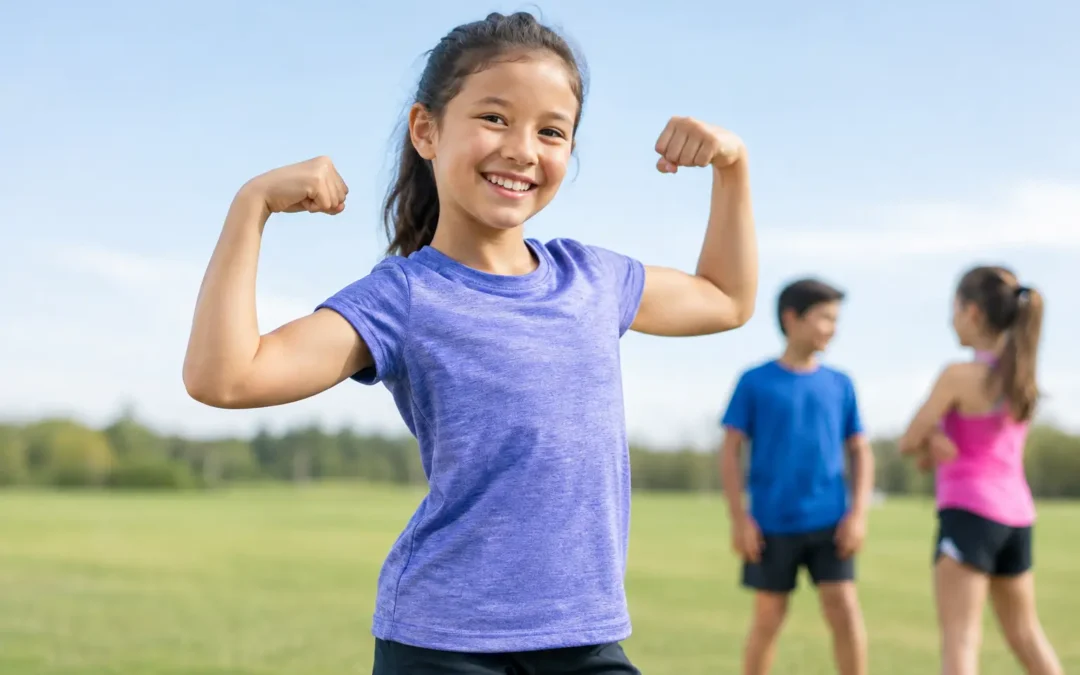
A child who hangs back in PE, avoids new games or gives up after one missed catch does not necessarily dislike movement. Often, they have not yet found a way to move that feels safe, purposeful and achievable. Children’s fitness works best when it gives young people more than a reason to burn energy. It should help them feel capable in their own bodies.
For many families, that is where martial arts makes a real difference. A well-led class brings together movement, concentration, clear boundaries and encouragement. Children learn that effort matters, progress takes practice and they belong in the room from their very first session.
What children’s fitness should really build
Fitness is sometimes reduced to running faster, jumping higher or keeping children busy after school. Those things have value, but a strong children’s fitness programme has a wider job. It should develop balance, coordination, mobility, stamina and strength in ways that suit a child’s age and stage of development.
Just as importantly, it should build confidence. A child who learns to hold a stance, listen for an instruction and complete a sequence is practising self-belief as well as physical skills. The achievement may look small to an adult, but for a child who is shy, easily frustrated or unsure around peers, it can be a big step forward.
The best activity is not always the one that leaves them exhausted. It is the one they look forward to returning to. Regular attendance is what turns movement into a healthy habit and gives children time to notice their own improvement.
Not a miniature adult workout
Children do not need adult-style gym routines, punishing exercise challenges or pressure to compete before they are ready. Their bodies and attention spans are still developing. They benefit more from varied, skilfully structured training that combines games, movement drills, technique and short periods of focused practice.
The right balance depends on the child. Some children arrive full of energy and need help channelling it. Others need patient encouragement before they are comfortable joining in. A good instructor adapts the pace while keeping expectations clear, so every child is challenged without being overwhelmed.
Why martial arts is a powerful route to fitness
Martial arts gives fitness a purpose. Rather than asking a child to repeat an exercise simply because it is good for them, training connects movement to a skill: improving a kick, moving with control, practising a safe breakaway or completing a pattern with focus.
That sense of purpose can be especially helpful for children who have not connected with traditional team sports. There is room for individual progress alongside group learning. They can work towards personal goals without feeling that they have let a team down if they need extra time to learn something.
Kickboxing and martial arts training can improve cardiovascular fitness, coordination, core stability, flexibility and body awareness. Children move forwards, backwards and sideways, use both sides of the body and learn how to control their speed and power. These foundations support day-to-day confidence as well as future sporting activities.
Confidence is built through repetition
Confidence is not usually created by one big motivational speech. It is built when children repeatedly do things they once found difficult. At first, they may struggle to remember a stance or feel nervous about speaking loudly. A few weeks later, they may be leading a warm-up response, helping a newer member or receiving recognition for their effort.
Martial arts makes that progress visible. Clear techniques, belts, gradings and achievable milestones give children something concrete to work towards. They learn that mistakes are part of training, not a reason to stop. This is a useful lesson far beyond the class, whether they are facing a tricky piece of homework, a school presentation or a new social situation.
Discipline without intimidation
Children need structure, but structure should never mean shouting, fear or humiliation. Positive discipline means clear rules, consistent routines and instructors who expect children to try their best while treating them with respect.
In a martial arts class, children learn to listen, wait their turn, work safely with others and take responsibility for their conduct. They also learn that strength comes with control. The aim is not to encourage aggression. It is to help young people become calmer, more aware and better able to respond thoughtfully when situations become difficult.
Age-appropriate training makes the difference
A four-year-old and an eleven-year-old may both enjoy martial arts, but they need very different things from a class. Younger children learn through simple challenges, imaginative movement and repetition. They may practise balance, basic coordination, listening skills and respectful behaviour through activities that feel fun and achievable.
As children grow, they can take on more detailed kickboxing technique, fitness drills, partner work and goal-setting. They begin to understand why good posture matters, how to manage their energy and how steady practice leads to better results. For older children, training can offer a valuable outlet during years when school pressures and social changes begin to increase.
At Kane Academy, age-specific classes allow children to train with peers at a similar developmental stage. This helps instructors set the right level of challenge while making classes welcoming for complete beginners as well as children who are ready to progress.
Supporting shy children and additional needs
Some parents worry that their child is too quiet, anxious or easily distracted to join a fitness class. In many cases, those are the children who can gain the most from a supportive, predictable environment. The key is not to force confidence before it exists. It is to create small opportunities for it to grow.
A patient instructor can help a shy child learn the routine, join in at their own pace and celebrate genuine effort. Over time, familiar faces, repeated class structures and achievable tasks can make the training space feel secure. The child who initially stands near the edge of the group may gradually begin to make friends, volunteer an answer or demonstrate a technique.
Children with additional needs may also benefit from movement, routine and clear communication, but no two children are the same. Families should look for programmes that welcome conversation, understand individual differences and can make sensible adaptations without lowering the value of the experience. Inclusion is not about treating every child identically. It is about giving every child a fair chance to participate, progress and feel proud.
How parents can choose the right activity
When comparing children’s fitness options, look beyond the timetable and the first-session excitement. Ask whether the class has a clear structure, qualified and attentive coaching, age-appropriate teaching and a positive approach to behaviour. Notice how instructors speak to children who make mistakes or need help. That often tells you more than a flashy demonstration ever could.
It is also worth considering whether your child will be able to see their progress. A pathway with regular goals can keep motivation high, particularly once the novelty of starting something new has passed. At the same time, avoid placing too much weight on quick results. Fitness, confidence and resilience develop steadily, not overnight.
A trial session is a sensible way to see whether the atmosphere feels right. Your child does not need to be naturally sporty, outgoing or experienced. They simply need a place where they can begin.
Helping healthy habits stick at home
The biggest benefit of a weekly class often comes from what it changes between sessions. Children who feel proud of learning a new skill are more likely to talk about it, practise safely at home and see themselves as active people. Parents can support this without turning the kitchen into a training hall.
Ask what they enjoyed rather than only asking whether they won or were the best. Praise perseverance, listening and kindness towards training partners. Keep routines simple by preparing kit the night before and treating class time as a positive commitment, not a punishment or bargaining tool.
There will be weeks when enthusiasm dips. That is normal. A gentle reminder of how far they have come, combined with consistent attendance, is often more useful than pressure. Children learn resilience when trusted adults help them keep going through the ordinary ups and downs of learning.
The goal is not to create a perfect athlete. It is to help a young person discover that they can move with confidence, meet challenges with courage and keep growing one class at a time.