
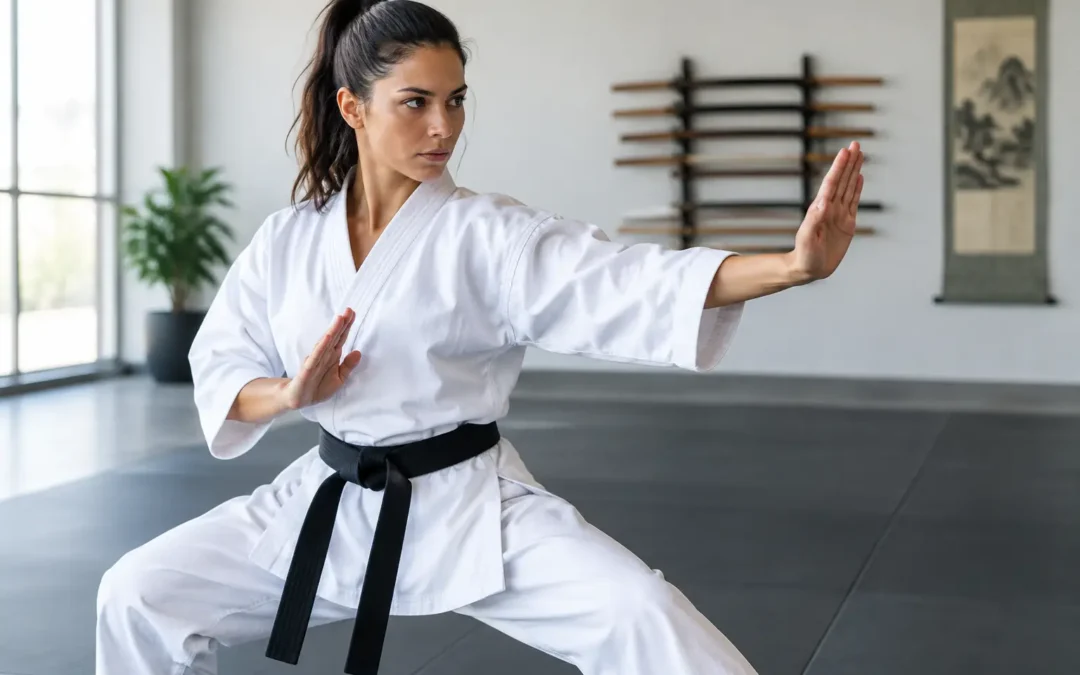
A child who once avoided eye contact volunteers to demonstrate a drill. An adult arrives after a difficult day and leaves calmer, stronger and more focused. These are the moments that show what martial arts can really offer. Yes, you will learn to kick, strike, move and defend yourself, but the lasting value is often found in the confidence built one class at a time.
For families and first-time students, the best training is not about looking tough or being naturally athletic. It is about joining a safe, supportive environment where progress is clear, effort is recognised and everyone has room to grow.
What Martial Arts Can Build Beyond Technique
Good martial arts training develops practical skills, but technique is only one part of the picture. A structured class asks students to listen, follow instructions, manage emotions and keep going when something feels difficult. Those habits carry into school, work, home life and everyday challenges.
For children, this can mean standing a little taller, speaking more clearly and learning that mistakes are part of learning rather than a reason to give up. For teenagers, training offers structure at a stage when confidence can rise and fall quickly. For adults, it can provide a focused hour away from work pressures, screens and daily responsibilities.
The physical benefits matter too. Kickboxing and Filipino martial arts can improve cardiovascular fitness, coordination, mobility, balance and strength. Unlike a workout that can feel repetitive, each session has a purpose: refine a stance, improve a combination, practise a defence or work towards the next grading. Fitness becomes the result of showing up and improving a skill.
Confidence is Earned, Not Handed Out
Confidence is sometimes described as something a coach can simply give a student. In reality, it is earned through evidence. A student tries something new, practises it, gets constructive feedback and realises they can do more than they thought.
That process is especially powerful for shy children and nervous beginners. Nobody needs to be the loudest person in the room to succeed. A patient coach can give clear, manageable challenges, while a welcoming group makes it easier to take the first step. Over time, the student who initially hangs back may begin partnering with others, answering questions and taking pride in their progress.
This is why age-appropriate classes matter. A four-year-old does not need the same lesson structure, physical demands or language as a teenager. Likewise, an adult beginner should not be expected to keep pace with someone who has trained for years. The right programme meets people where they are, then helps them move forward.
Martial Arts and Real-World Self-Defence
Many people begin training because they want to feel safer. That is a sensible goal, but real self-defence is broader than learning how to throw a powerful punch. It includes awareness, confident body language, personal boundaries, decision-making and knowing when the safest option is to leave.
Physical techniques have value when they are taught responsibly and practised with control. Students should learn distance, timing, movement and how to protect themselves under pressure, without being encouraged to seek confrontation. The aim is capability and calmness, not aggression.
What self-defence looks like also depends on the student. A woman joining a women’s kickboxing class may want a supportive place to build fitness and confidence alongside practical skills. A teenager may benefit from stronger boundaries and the discipline to avoid escalating conflict. A parent may want their child to understand awareness, respect and how to speak up. Training should reflect those needs rather than offering one-size-fits-all promises.
Why Structure Makes the Difference
A fun first class matters, but a clear pathway matters even more. Without structure, students can enjoy the novelty of training yet struggle to see where they are going. A well-run academy gives beginners a route from their first session to core techniques, equipment, licensing, certification and eventually their first grading.
Gradings are not only about belts or certificates. When handled properly, they give students a meaningful target and a chance to demonstrate the skills, discipline and knowledge they have developed. For children, preparing for a grading teaches commitment. For adults, it is proof that steady effort still creates measurable progress, whatever age you start.
There is a balance to strike. Progress should be challenging enough to feel worthwhile, but never so rushed that technique and safety are overlooked. Students develop at different speeds. Some pick up coordination quickly but need time to find confidence; others are fearless from day one but need help with focus and control. Strong coaching recognises both.
A Community Where Beginners Belong
The hardest part of martial arts for many people is not the training itself. It is walking through the door for the first time. Parents may wonder whether their child will settle in. Adults may worry that they are unfit, too old or have no coordination. These concerns are common, and they are exactly why an inclusive academy culture matters.
A positive training community does not lower standards. It creates the conditions for people to meet them. Students should be encouraged to work hard, treat partners with respect and take responsibility for their effort. At the same time, they should know that questions are welcome and that improvement counts more than comparing themselves with the most experienced person in the class.
This is particularly important for children with additional needs. The right support, clear routines and patient instruction can make martial arts a hugely rewarding activity. Adaptation is not a compromise on quality. It is thoughtful coaching that helps every child participate, build skills and feel part of the group.
Choosing the Right Martial Arts Class
When choosing a class for yourself or your child, look beyond flashy demonstrations. Ask how beginners are introduced, how classes are grouped by age and ability, and how instructors manage safety and behaviour. Find out whether the academy has a clear progression system and whether students are taught values alongside physical skills.
It is also worth considering the atmosphere. The best class for your family may not be the one that promises the fastest results. It is more likely to be the one where coaching is consistent, expectations are clear and your child or you feel encouraged to return next week.
A trial session can be useful because it replaces guesswork with experience. Watch how instructors speak to children, how students work with one another and whether beginners receive attention without being singled out. For adults, notice whether the class offers enough challenge to raise your heart rate while still giving you time to learn safely.
At Kane Academy, programmes are designed to give beginners a confident starting point, from early years classes through to teenage, women’s and adult kickboxing. The focus remains the same: build capable people through disciplined, welcoming training.
Progress Starts With One Session
You do not need previous experience, perfect fitness or a naturally outgoing personality to begin. You only need a willingness to try, practise and come back. Some days your achievement may be learning a new combination; other days, it may simply be turning up when motivation is low.
Over time, those small decisions add up. Your child may discover their voice. You may feel stronger walking home, calmer under pressure or more energised in daily life. The first class is not a test of whether you belong. It is the start of finding out what you can become.