
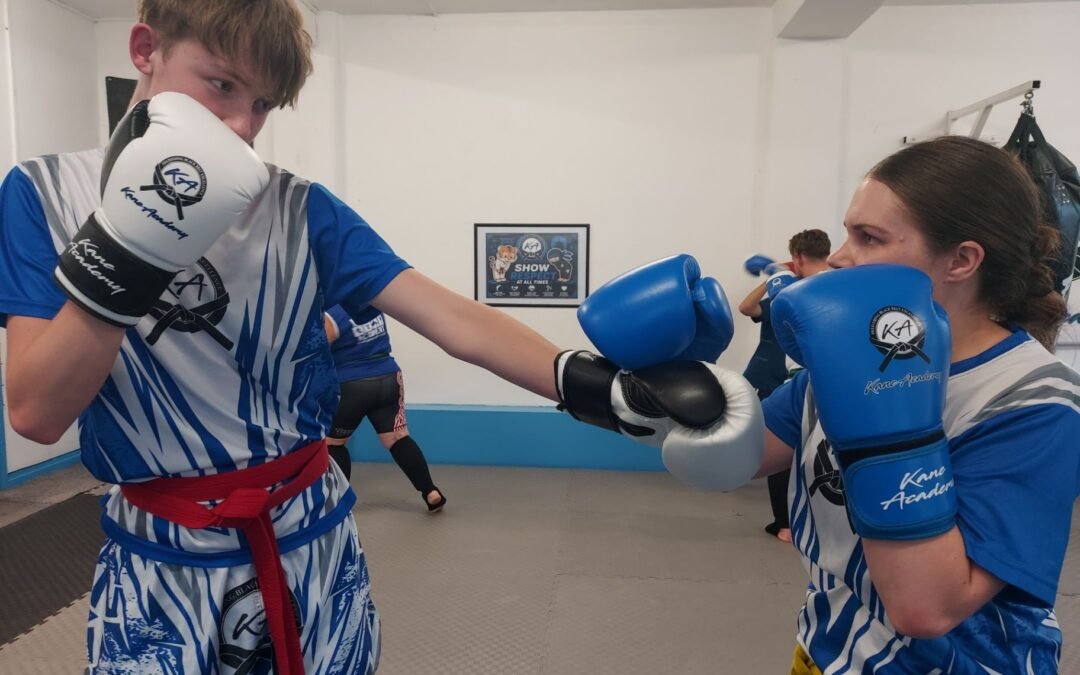
Starting something new can feel uncomfortable, especially when you are walking into a kickboxing academy for the first time. You may wonder whether you are fit enough, whether everyone will be more experienced than you, or whether you will know what to do.
At Kane Academy, you do not need previous martial arts experience, a particular fitness level or any special preparation to begin. Whether you are a teenager, an adult or over 40, your first class is a supported introduction to the fundamentals. You will learn step by step, work at a suitable pace and have a coach nearby to guide you.
If you are joining as part of a 10-week beginner journey, day one is simply your first positive step. You are not expected to master everything immediately. You are there to learn, move, build confidence and discover what you are capable of achieving.
When can you attend your first class?
Before arriving, choose the session that suits you best. Our confirmed beginner-friendly class times include:
- Tuesday and Thursday, 7:15–8:00pm: Teen & Adult Kickboxing
- Saturday, 12:15–1:00pm: Family Kickboxing
You can check the full Kane Academy timetable for the latest class information.
The Teen & Adult Kickboxing sessions are suitable for teenagers and adults who want to improve their fitness, learn practical kickboxing skills and train in a positive environment. Family Kickboxing is a great option if you want to begin alongside family members and make exercise a shared experience.
1. You arrive and receive a warm welcome
Your first few minutes are often the most nerve-racking. Once you walk through the door, our team will help you feel at ease and explain what to do next.
Arrive around 10 minutes early if possible. This gives you time to introduce yourself, ask questions, change if necessary and settle into the academy without rushing.
You can expect to:
- Tell the team that it is your first class.
- Meet your instructor and fellow students.
- Find out where to leave your belongings.
- Receive guidance about the matted training area.
- Ask any questions about the session or the beginner course.
Do not worry if you do not know the terminology or etiquette. You will be shown what you need to know. Our community is built around respect, kindness, resilience and continuous growth, so you will never be expected to pretend that you already understand everything.
Your only task at this stage is to arrive. Taking that first step is already an achievement.

2. You join the warm-up at your own level
The class begins with a warm-up to prepare your body for movement. This may include light cardio, mobility exercises and simple bodyweight movements designed to raise your heart rate gradually.
You might practise:
- Gentle footwork and movement.
- Shoulder, hip and leg mobility.
- Light squats or similar exercises.
- Controlled stretches.
- Basic movement patterns used in kickboxing.
You do not need to keep up with the most experienced person in the room. Your instructor will demonstrate what to do and can offer easier options where needed. You can also take a short rest or drink water when necessary.
Focus on moving with control rather than trying to work at maximum intensity. This helps you learn safely, conserve energy and build a strong foundation for future sessions.
Kickboxing can become a challenging workout, but your first class should feel manageable and purposeful. You will gradually improve your stamina as your body becomes familiar with the movements.
3. You learn the essential basics
After warming up, your instructor introduces the fundamental skills of kickboxing. These may include your stance, guard, foot position and basic punches.
The techniques are broken down into clear stages. Your instructor will demonstrate a movement, explain the key points and give you time to practise. You may begin with simple punches such as the jab and cross before adding straightforward combinations.
The most important things to remember are:
-
Keep your stance comfortable.
A balanced stance helps you move confidently and maintain control. -
Keep your hands in a protective guard.
This introduces good habits from the beginning. -
Listen for one instruction at a time.
Trying to remember everything at once can make learning feel harder than it needs to be. -
Practise slowly before adding speed.
Good technique develops through controlled repetition. -
Ask questions when you are unsure.
Asking for clarification is part of learning and shows that you are committed to improving.
Nobody expects your movements to look perfect on day one. Every experienced student in the room was once a beginner. Your goal is not to compare yourself with them; your goal is to learn one new skill and build on it.
4. You practise with pads, partners or your own space
Once you have been introduced to the basics, you will put them into practice. Depending on the class plan, this may involve shadowboxing, working with a partner, using focus mitts or practising combinations under the instructor’s guidance.
You will not be left to work everything out alone. The coach will explain the drill, demonstrate the movement and monitor the class as you practise.
This part of the session helps you understand how kickboxing works as a complete activity. You will begin connecting your stance, guard, punches and footwork rather than treating each movement as a separate exercise.
Work at a pace that allows you to remain in control. If you need to slow down, pause or ask for help, do so. Consistency matters far more than trying to impress anyone for one round.
For many beginners, this is the moment when nerves begin to fade. You are moving, learning and taking part: and you may realise that the class is much more welcoming than you imagined.

5. You finish with a short challenge and cool-down
The final part of the class may include a brief conditioning exercise, technique repetition or a simple challenge to help you finish positively. The level will be adapted to the group, and you should never feel that you have to push beyond your limits.
The session then comes to an end with a cool-down. This gives you time to lower your heart rate, stretch gently and reflect on what you have learned.
You may feel pleasantly tired after your first class. Some muscle soreness can also be normal when your body experiences new movements. Drink water, eat a balanced meal and allow yourself time to recover.
Most importantly, recognise what you have accomplished. You have entered a new environment, learned unfamiliar skills and completed a full class. That is progress.
Do you need to be fit before you start?
No. Kane Academy welcomes beginners of all ages and fitness levels.
Your fitness will develop through regular training. You do not need to lose weight, build stamina or become flexible before joining. Those improvements are part of the journey.
The same applies to confidence. You do not have to feel confident before your first session. Confidence often grows because you take action while you are still nervous.
Research supports the wider benefits of martial arts-based exercise. A 2020 systematic review and meta-analysis found positive effects on adult mental health and wellbeing, while a review of non-contact boxing interventions reported improvements in areas including mood, self-esteem and confidence. The evidence is not a promise of identical results for every individual, but the message is encouraging: structured physical training can support both your body and your mindset.
You can read the research in the Journal of Bodywork and Movement Therapies and the American Journal of Lifestyle Medicine boxing review.
What should you wear and bring?
For your first session, choose comfortable sports clothing that allows you to move freely. You should also bring:
- A water bottle.
- A small towel if required.
- Comfortable clothing suitable for exercise.
- Any medication or personal items you may need.
You do not have to purchase a complete kit before trying your first class. If you decide to continue, our course options make getting started straightforward.
The 4-week starter programme is £49.99, giving you an accessible way to experience training and decide whether kickboxing is right for you.
Our 6-week beginner course is £199 and includes:
- A Kane Academy uniform.
- Boxing gloves.
- Grading.
These options can provide structure and motivation as you begin developing your skills. If you are looking ahead to a 10-week beginner goal, use the early sessions to establish a consistent routine, become familiar with the techniques and celebrate each stage of your progress.

What if you feel nervous on the day?
Tell your instructor. Saying, “This is my first class and I am feeling nervous,” gives the coach useful information and allows them to support you from the start.
Then focus on these simple actions:
-
Arrive early.
This removes the pressure of walking in at the last moment. -
Wear something comfortable.
Feeling physically comfortable helps you concentrate. -
Listen carefully.
You only need to follow the next instruction. -
Take breaks when needed.
Recovery is part of training, not a sign of failure. -
Measure success by participation.
Completing your first class matters more than performing every technique perfectly.
Your first class is not a test. It is an opportunity to begin.
Take your first step at Kane Academy
Whether you are a teenager looking for confidence, an adult seeking a new challenge or over 40 and ready to improve your fitness, you have a place at Kane Academy.
You will be welcomed, coached and encouraged throughout your first session. No experience is required, and you can progress at a pace that supports your goals.
Unleash your inner warrior one step at a time. Book your trial session with Kane Academy and discover exactly what you can achieve when you choose to begin.