
September can bring a mixture of excitement and uncertainty for families. New teachers, unfamiliar classrooms, busy corridors, changing routines and increased expectations can feel overwhelming for a neurodivergent child: and for you as a parent.
You may be wondering:
- How will my child manage the transition back to school?
- Will they be able to focus in class?
- How can I help them handle anxiety and big emotions?
- What activity will build confidence without adding more pressure?
Martial arts can provide a positive answer. With its clear structure, repeated routines, physical movement and supportive instruction, it can help children practise focus, self-regulation and resilience in an encouraging environment.
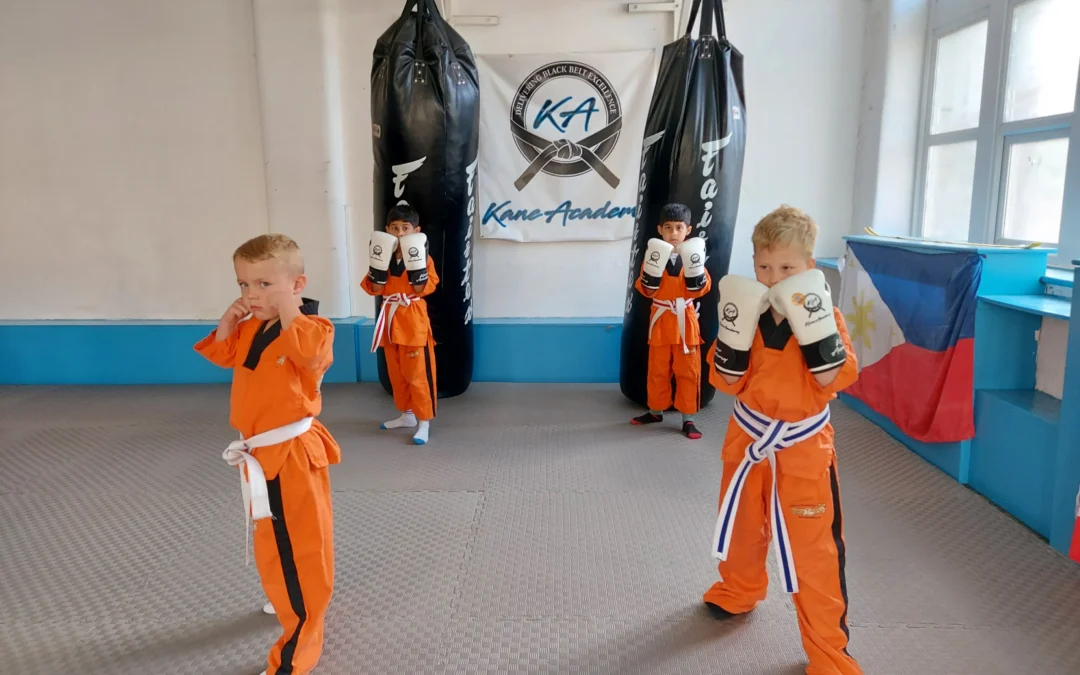
At Kane Academy in Huddersfield, our Tiny Tigers and Ninja Kids programmes are designed to help children develop confidence, coordination, discipline and respect while enjoying an active, welcoming community.
Why routine matters for a neurodivergent child
The return to school often involves many changes at once. Bedtimes may shift, mornings become more time-pressured and children are expected to move between activities throughout the day.
A predictable after-school activity can create a helpful anchor.
Martial arts lessons follow a clear pattern. Children arrive, prepare, listen to instructions, practise skills, take part in activities and finish with a sense of achievement. This consistency can make the experience easier to understand and anticipate.
Try these three steps:
-
Add the class to a visual weekly timetable.
Use pictures, colours or simple words to show school, meals, rest and martial arts. This helps your child see what is coming next. -
Prepare equipment in advance.
Keep their uniform, water bottle and any required kit together. By reducing last-minute decisions, you can make the transition from school to class calmer. -
Keep the routine consistent where possible.
Attending on the same day each week helps the activity become familiar. Consistency supports confidence, even when other parts of the school day feel unpredictable.

1. Martial arts gives focus a practical purpose
For many children with ADHD or other neurodivergent profiles, “pay attention” can be an unhelpfully broad instruction. It is often easier to focus when there is a clear, meaningful task to complete.
Martial arts breaks learning into manageable steps. A child may be asked to:
- Stand in a particular position.
- Watch a demonstration.
- Remember a short sequence.
- Wait for a signal.
- Move with control.
- Stop when instructed.
These activities encourage children to practise attention, working memory and impulse control in a physical and engaging way.
Research into physical activity and ADHD suggests that regular movement can support aspects of executive function, including inhibitory control, working memory and cognitive flexibility. A systematic review of physical activity and executive function in children with ADHD highlights the potential benefits of structured exercise, although it is important to remember that every child responds differently.
Martial arts is not a replacement for educational support or professional advice. However, it can be one useful part of a wider support plan.
Help your child transfer focus skills beyond the mat
After class, ask one simple question:
“What helped you listen and remember today?”
Your child might mention watching the instructor, copying a partner or listening for a particular word. Use that answer to connect their experience to school:
- “Could you use that same listening skill when your teacher gives instructions?”
- “Would it help to break your homework into smaller steps?”
- “Could you pause, breathe and look at the first task before starting?”
This helps your child recognise that they already have useful strategies.
2. Movement can help release stress and support calm
School can require children to sit still, process lots of information, manage social interactions and cope with noise. By the end of the day, your child may be tired, restless or emotionally overloaded.
Physical activity provides a healthy outlet. Kicking pads, practising footwork, stretching and moving around the mat can help children release energy in a safe and purposeful way.
A research summary from the University of Rhode Island reports that increased physical activity may support cognitive development and help children manage some ADHD-related challenges.
For an anxious child, the sense of control can be especially valuable. They are not expected to be perfect. They can practise one movement, receive feedback and try again. That process reinforces an empowering message:
“I can feel uncertain and still take the next step.”
Build in a calm transition
Avoid rushing straight from the school gates into class if your child needs time to reset. Instead:
- Offer a drink and a small snack if appropriate.
- Allow a few quiet minutes in the car or at home.
- Explain exactly what will happen next.
- Use calm, positive language rather than repeated reminders.
- Arrive with enough time to settle.
A short transition can make the difference between arriving overwhelmed and arriving ready.
3. Martial arts develops confidence through achievable progress
Confidence is not created by telling a child to “be more confident”. It grows when they experience success, effort and improvement.
At Kane Academy, children work towards age-appropriate goals. They may learn a new technique, improve their balance, remember a sequence or show kindness to another student. Each achievement matters.
For a child who often feels that school is difficult, the martial arts environment can provide a valuable space where progress is visible. Gradings, certificates and positive feedback can show them that effort leads to growth.

Praise the process, not just the result
Use specific encouragement such as:
- “You kept trying after the first attempt did not work.”
- “You listened carefully and remembered the sequence.”
- “You took a breath and started again.”
- “You showed respect by waiting for your partner.”
- “You were brave enough to try something new.”
This type of feedback helps your child build a resilient self-image. They begin to understand that success is not about getting everything right immediately. It is about practising, adapting and continuing.
4. The right class can support social confidence
Some neurodivergent children find busy group settings challenging. Others may want friendships but feel unsure how to join in. A well-structured martial arts class can offer social interaction with clear boundaries.
Children learn to share space, take turns, listen to instructors and work respectfully with others. Partner activities can be introduced gradually, allowing your child to participate without the pressure of unstructured social situations.
Our programmes are designed for specific age groups:
- Tiny Tigers: ages 4–7, with short, age-appropriate classes focusing on confidence, coordination, discipline and enjoyment.
- Ninja Kids: ages 7–12, developing focus, fitness, resilience, respect and martial arts ability.
Read more about Tiny Tigers martial arts classes or discover the Ninja Kids programme.

5. Choose a timetable that fits your family
A successful routine needs to be realistic. Choose a class time that allows your child to eat, travel and settle without unnecessary pressure.
The confirmed children’s class times at Kane Academy are:
Tiny Tigers : ages 4–7
Tuesday and Thursday
- 4:00–4:30pm
- 4:30–5:00pm
Saturday
- 9:00–9:30am
- 9:30–10:00am
Ninja Kids : ages 7–12
Tuesday and Thursday
- 5:00–5:45pm
- 5:45–6:30pm
Saturday
- 10:00–10:45am
- 10:45–11:30am
You can check the full Kane Academy timetable before choosing the best option.
If your child is nervous, book a trial class pass. A first visit can help you both understand the environment, meet the instructor and identify any adjustments that may make participation more comfortable.
How to prepare your child for their first class
Use these practical steps before September:
-
Explain what the class will look like.
Describe the journey from arriving at the academy to leaving again. Predictability can reduce uncertainty. -
Show them photos of the space.
Familiar images can help your child visualise the blue mats, equipment and other students before attending. -
Tell the instructor what helps your child.
Share relevant information about communication, sensory needs, attention, anxiety or transitions. This allows the team to offer more appropriate support. -
Avoid comparing your child with others.
Encourage them to focus on their own progress. Every child begins from a different starting point. -
Keep the first goal small.
Success might mean joining the warm-up, trying one activity or staying for the full session. Celebrate that achievement.

Remember: your child does not need to be “fixed”
Neurodivergence is not a lack of potential. Your child may process information, movement and emotions differently, but they can still learn, grow and achieve success.
Martial arts should not be presented as a cure for ADHD, autism or anxiety. Instead, it can offer a supportive environment where children practise valuable life skills:
- Focus.
- Confidence.
- Coordination.
- Emotional regulation.
- Listening.
- Resilience.
- Respect.
- Healthy movement.
Most importantly, your child can discover that they are capable of more than they may have believed.
Start the new school year with confidence
As September approaches, focus on building a routine that supports your child rather than placing extra pressure on them. Add movement, prepare for transitions, communicate with their school and celebrate steady progress.
A structured martial arts programme could become a positive part of that routine. At Kane Academy, our Tiny Tigers and Ninja Kids classes welcome children of different abilities, personalities and fitness levels.
Help your child unleash their inner warrior, take one confident step at a time and begin the new school year feeling supported.
Book a trial session with Kane Academy or explore our children’s programmes.