
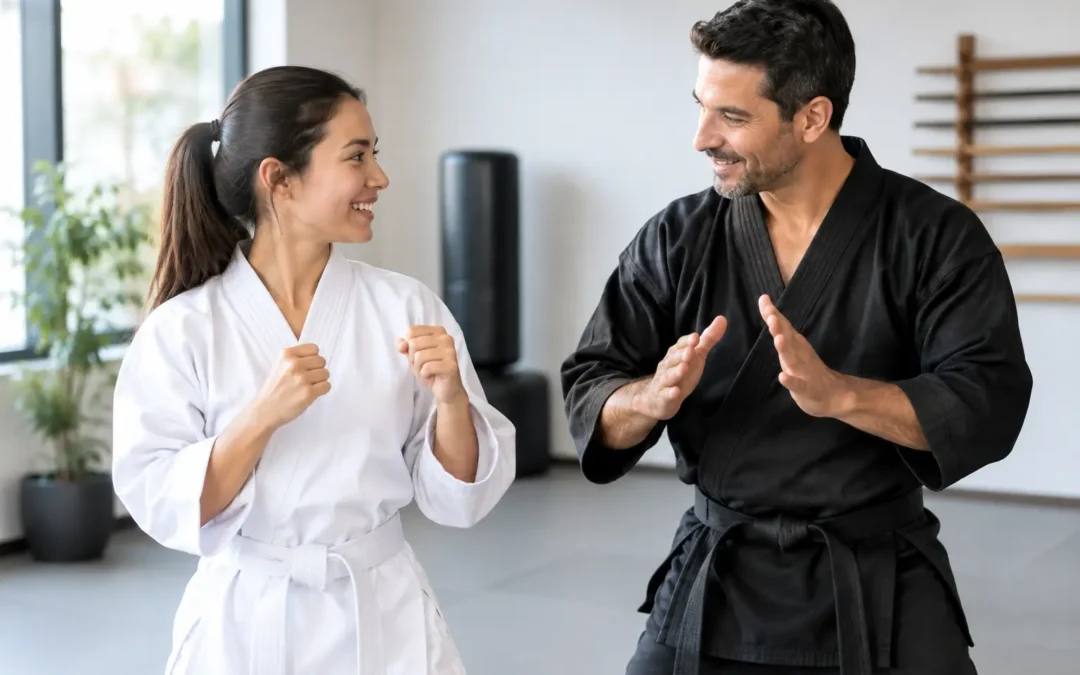
A first martial arts class can feel like a big step, especially if you or your child have never trained before. This trial pass guide takes away the guesswork, so you can walk in feeling prepared, welcomed and ready to give it a proper go. The aim is not to prove how fit, flexible or confident you already are. It is to find out how good it feels to begin.
At Kane Academy, a trial class is your chance to experience structured coaching, meet supportive instructors and see how martial arts can build confidence, fitness and practical skills over time. Whether you are booking for a four-year-old, a teenager, a women’s kickboxing class or yourself, everyone starts somewhere.
What a trial pass is really for
A £10 trial pass gives you a low-pressure opportunity to try a class before deciding on your next step. It is not an assessment, and nobody expects a complete beginner to know the techniques, terminology or training routine.
For parents, it is a chance to see whether the class environment suits your child. You can look for patient coaching, clear boundaries, age-appropriate activities and the kind of encouragement that helps children settle in. For adults and teenagers, it is an opportunity to test the pace of the session, enjoy the workout and decide whether martial arts feels like something you can build into your week.
One class cannot show every benefit of training. Confidence, discipline, coordination and fitness develop through consistent practice. But it can tell you something valuable: whether you feel comfortable enough to come back and keep growing.
Your trial pass guide: what to expect
Your first session will be structured, but there is no need to worry about getting every detail right. Coaches will explain what to do and demonstrate movements before asking you to try them. The best approach is simple: listen, ask questions when you need to and focus on your own progress rather than anyone else in the room.
Most beginner-friendly martial arts classes include a warm-up, basic technique practice, fitness work and an opportunity to use new skills in a controlled way. Depending on the programme, this might mean learning how to stand safely, practising straightforward punches and kicks, working on pads, improving balance or learning the foundations of self-defence.
You will not be thrown into advanced sparring or expected to train beyond your ability. Good coaching creates challenge without making people feel exposed. That matters for confident children and adults alike, but it can be especially reassuring for someone who is shy, returning to exercise or nervous about trying something new.
For children aged four to seven
Young children need movement, clear routines and plenty of positive reinforcement. A class for this age should feel energetic and fun while teaching valuable habits such as listening, taking turns, following instructions and trying again after a mistake.
Do not judge the session solely by whether your child performs every activity perfectly. Some children join in immediately, while others prefer to watch for a few minutes before they feel ready. Both responses are normal. A supportive instructor will help them participate at their own pace while maintaining a kind, structured environment.
For children aged seven to twelve
As children get older, they can start developing more technical skills alongside confidence, focus and resilience. Their first class may include drills that challenge coordination, concentration and teamwork. They may also begin to understand why respect, discipline and controlled behaviour are essential parts of martial arts.
If your child is quiet, easily discouraged or unsure in group settings, a trial can be a particularly useful first step. Look for small wins: introducing themselves, trying a technique, responding to a coach or leaving class with a smile. Confidence often begins with one successful session, then grows each time they return.
For teenagers and adults
Teenagers and adults often come to kickboxing for different reasons. One person wants a better fitness routine; another wants stress relief after work. Someone else may be interested in self-defence, personal achievement or being part of a motivating community.
You do not need to arrive already fit. Training is where fitness is built. Expect to work, but also expect options that allow you to train sensibly at your current level. The right class should leave you feeling challenged and proud, not intimidated or out of place.
Women’s kickboxing can offer a dedicated, supportive setting for women who want to get stronger, improve fitness and learn useful skills alongside others with similar goals. The atmosphere still has purpose and energy, but the focus remains on progress rather than comparison.
What to wear and bring
Keep your first visit straightforward. Wear comfortable sports clothing that allows you to move freely, such as a T-shirt and joggers, leggings or shorts. Avoid anything restrictive, overly loose or likely to catch during training. Bring a drink of water and arrive with an open mind.
You do not need to buy specialist equipment before your trial. That is one of the reasons a pass is so useful: you can experience the class before committing to kit or a longer programme. If you have a relevant injury, medical condition or concern about physical activity, mention it before the session so the coaching team can advise you appropriately.
Parents should make sure children have had enough time to use the toilet, have a drink and settle before class starts. A rushed arrival can make a new experience feel harder than it needs to be. Arriving a little early gives children time to take in their surroundings and meet the instructor without pressure.
How to get the most from your first class
The strongest first-class mindset is curiosity. You are not there to compete with experienced members or decide whether you are naturally talented. You are there to learn what training feels like.
Try to stay present during the session. If a technique feels awkward, that is completely normal. Martial arts involve learning new movement patterns, and those take repetition. Ask for help if you are unsure, give each drill an honest effort and notice how you feel afterwards.
For parents, avoid putting too much pressure on the outcome before you leave home. Rather than asking, “Were you good?”, try asking, “What did you enjoy?” or “What would you like to practise next time?” These questions help children focus on effort and enjoyment, not perfection.
It is also worth thinking beyond the first sweaty, exciting hour. The right programme should have a clear route forward. A structured introductory course gives beginners time to develop foundations, create a training habit and understand what progression looks like. For many people, the biggest change comes not from one class but from showing up week after week.
Questions worth asking after your trial
After class, take a moment to consider the experience honestly. Did the coach explain things clearly? Did you or your child feel respected and included? Was the session challenging in a positive way? Could you picture returning next week?
For families, it is sensible to ask about the class pathway for your child’s age, how progression works and what support is available as they build confidence. If your child has additional needs, share what helps them feel comfortable and ask how sessions can be adapted. Inclusion is not about lowering expectations. It is about giving each person the support and structure needed to make progress.
For adults, ask about the commitment level that fits your goals. A regular programme builds results, but the best route depends on your schedule, starting point and reasons for training. Some people want a focused beginner course; others want to begin with an introductory block before committing further.
Give yourself permission to begin
The first class is often the hardest one to book because it involves stepping outside a familiar routine. Yet that small decision can lead to stronger fitness, greater self-belief, practical self-defence awareness and a community that encourages you to keep going.
Bring your questions, your water and a willingness to try. You do not have to feel ready before you start – training is how you become ready. Get started today, and let your first class be the beginning of something genuinely positive.