
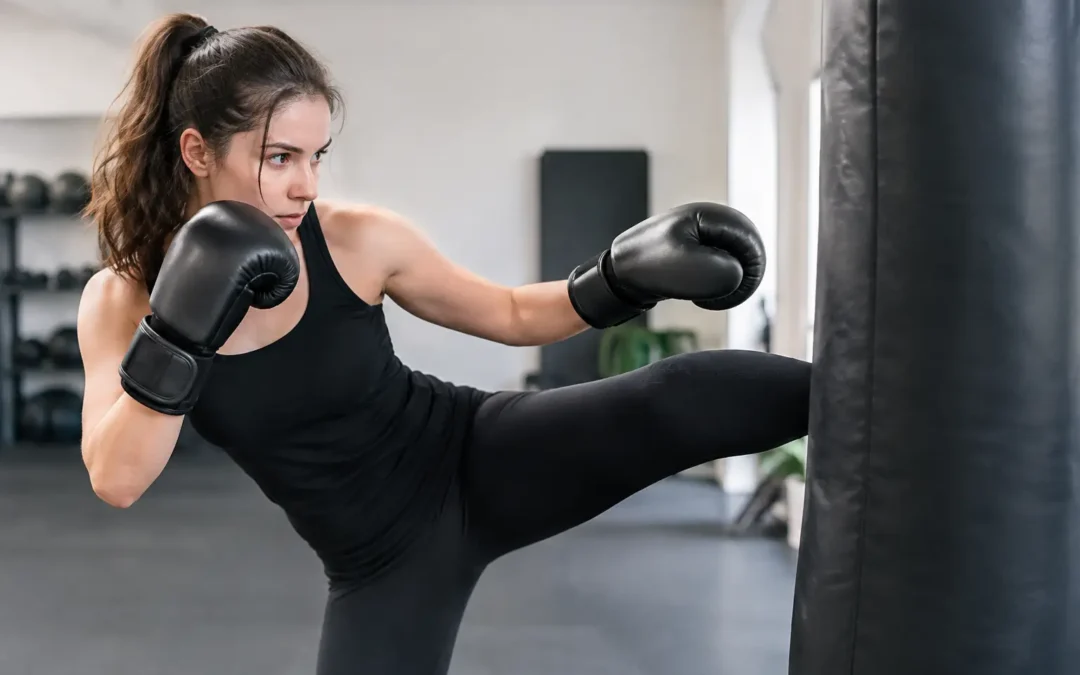
Walking into a martial arts class for the first time can feel like a big step, particularly if you do not see yourself as naturally sporty or confident. So, can women learn kickboxing? Absolutely. You do not need previous experience, exceptional fitness or a fighting background to begin. You only need a willingness to learn, a class that meets you where you are, and coaches who make progress feel achievable.
Kickboxing is not reserved for people who have spent years in gyms or who want to compete. For many women, it becomes a powerful way to get fit, release stress, learn practical self-defence and feel more at home in their own body. The best beginner programmes build those outcomes steadily, without pressure to prove yourself on day one.
Why kickboxing works so well for women
Kickboxing asks your whole body to work together. You will learn how to stand with balance, move with purpose, punch with correct technique and kick with control. Over time, that makes for a challenging workout that improves cardiovascular fitness, coordination, strength and mobility.
But the changes are not only physical. There is a particular confidence that comes from learning a skill you once thought was beyond you. The first time you hold pads properly, complete a combination or realise you can train for an hour without stopping, you begin to see yourself differently.
For some women, the appeal is stress relief. Hitting pads in a structured, controlled environment can be a healthy outlet after a demanding day at work or at home. For others, it is the social side: training alongside people who understand what it feels like to be a beginner and who celebrate progress rather than compare results.
Practical self-defence is another meaningful benefit. Kickboxing training develops awareness, distance, posture and the ability to respond decisively under guidance. It is not a guarantee against every situation, and responsible self-defence always includes avoiding danger where possible. However, feeling more capable and less frozen by the unknown can be genuinely empowering.
Do you need to be fit before starting?
No. You start kickboxing to become fitter, not because you have already reached a certain standard.
A well-run women’s beginner class should offer options for different fitness levels. If you need to take a breather, lower the intensity of a drill or adapt an exercise around an injury, that should be treated as sensible training, not failure. Consistency matters much more than trying to do everything at maximum effort in your first session.
You may feel muscles you have not used much before, especially through your legs, core and shoulders. That is normal. A little post-training soreness can be part of adapting to exercise, but sharp pain is not something to push through. Good coaching helps you distinguish between a productive challenge and a signal to stop or modify the movement.
If you are returning to activity after pregnancy, illness, a long break from exercise or an injury, speak to a healthcare professional where appropriate and let your instructor know. The right pace differs from person to person. There is no prize for rushing the process.
What happens in a first women’s kickboxing class?
First sessions are usually far more welcoming and structured than people expect. You will not be thrown into sparring or expected to know complicated terminology. A coach should explain what you are doing, demonstrate the technique, then give you time to practise.
Classes often begin with a warm-up designed to raise your heart rate and prepare your joints for movement. From there, you may work on a few fundamental skills such as a fighting stance, straight punches, basic kicks and simple combinations. Pad drills let you practise with a partner in a safe, focused way, while fitness exercises help build the stamina to repeat techniques with good form.
The session should finish with a cool-down, feedback and a clear idea of what to work on next. You might leave tired, but you should also leave knowing that you belong there.
At Kane Academy, women’s kickboxing is taught as a progression, not a test of who can keep up. That means beginners have room to build foundations while more experienced members continue to develop their technique, fitness and confidence.
Will you have to spar?
Not at the beginning. Sparring is a controlled training activity, not a requirement for someone taking their first class. Before it is ever considered, students need solid technique, appropriate protective equipment, clear rules and the confidence to work safely with a partner.
Some people enjoy sparring once they are ready because it improves timing, reactions and composure. Others prefer padwork, drills and fitness-focused training. Your goals matter. A supportive academy will explain the options rather than make you feel pressured into something before you are comfortable.
The confidence shift is built through small wins
Confidence is not usually something that arrives before you begin. It is built through evidence. You attend even when you feel nervous. You remember a combination that seemed confusing last week. You hold your stance a little stronger. You notice that your fitness has improved.
These small wins add up. They also transfer beyond the class. Many women find they speak up more, carry themselves with more assurance and feel better able to handle uncomfortable situations. Kickboxing cannot remove every challenge from life, but it gives you regular practice at staying calm, learning from mistakes and continuing when something feels difficult.
That is why discipline matters as much as motivation. Motivation can get you through the door once; a routine helps you keep moving forward. Training once or twice each week can create meaningful change when it becomes part of your life rather than a short-lived fitness burst.
Choosing a class where you can thrive
Not every kickboxing experience feels the same. The environment matters, especially when you are new to martial arts. Look for a programme that explains its beginner pathway clearly and has qualified, attentive coaches who correct technique without making people feel embarrassed.
A women’s-only class can be a great option if you want to train alongside other women with similar aims. It may feel less intimidating, particularly if you have concerns about fitness, body confidence or starting from scratch. It also creates an encouraging space where members can support one another while working hard.
That said, the best choice depends on what helps you feel motivated. Some women prefer women’s-only sessions, while others enjoy mixed adult classes. Try a session if you can. Pay attention to how the coach speaks to beginners, whether members are welcoming, and whether safety and respect are clearly part of the culture.
You should also consider practical details. A class time you can attend regularly is more valuable than the perfect timetable you can only manage once a month. Clear pricing, structured courses and an opportunity to try the class before committing can make starting feel much simpler.
What to wear and bring to your first session
You do not need a cupboard full of specialist kit to get started. Comfortable sports clothing that allows you to move easily is usually enough for an introductory class. Avoid jewellery, wear trainers if your class requests them, and bring water. Long hair should be tied back securely.
As you progress, your academy will advise you on suitable gloves, hand wraps and any other equipment needed for the programme. Using the right kit protects your hands and supports safe practice, but there is no need to buy everything before you know that kickboxing is right for you.
Arrive a few minutes early, tell the coach that it is your first time, and ask questions. Nobody expects you to understand every movement immediately. Learning technique takes repetition, patience and guidance.
Give yourself permission to begin
The question is rarely whether women are capable of learning kickboxing. They are. The more useful question is what you want to gain from it: better fitness, more confidence, practical skills, a fresh challenge or a supportive community.
Start at your level, train with people who respect your goals, and allow yourself to be a beginner. One class can be the first step towards feeling stronger, more capable and proud of what your body and mind can do.