
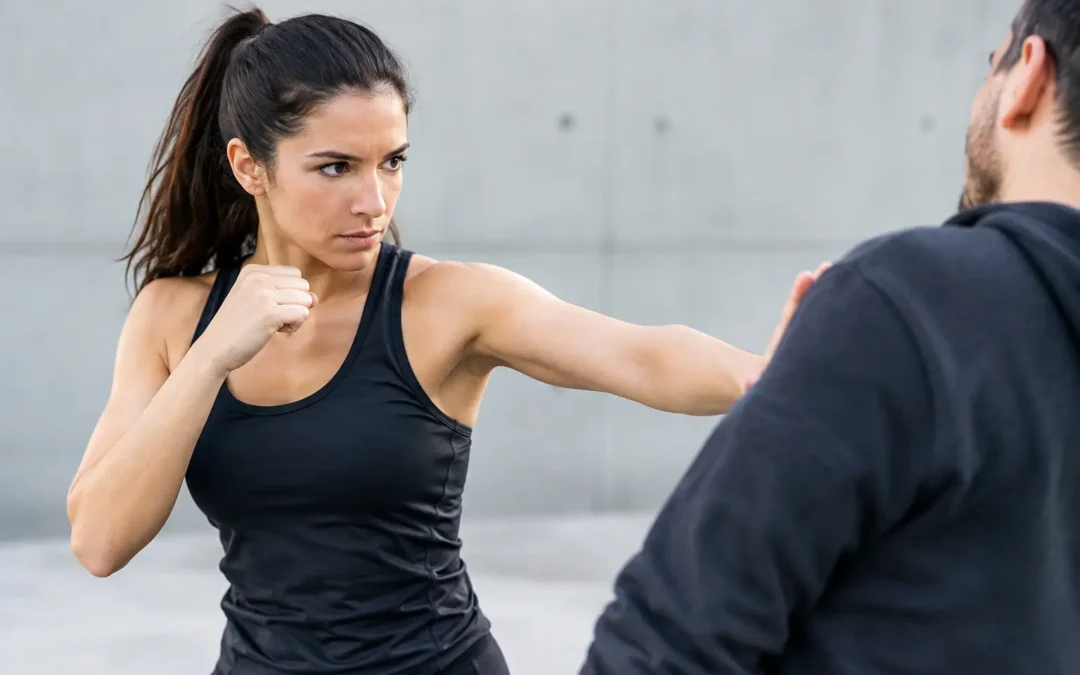
A safer walk home, a clearer voice under pressure and the confidence to set a boundary all begin long before a difficult moment happens. Self defence is not about looking for a fight or proving who is toughest. It is about becoming more aware, more capable and better prepared to make sensible decisions when something does not feel right.
For children, teenagers and adults, that confidence can reach far beyond personal safety. Structured martial arts training develops fitness, discipline and resilience, while giving people practical skills they can carry into school, work and everyday life.
What self defence really means
Many people picture self defence as a collection of dramatic techniques. In reality, the most valuable skills often happen before any physical contact. Recognising risk, trusting your instincts, using confident body language and creating distance can all help prevent a situation from escalating.
Good self defence training teaches people to stay calm rather than panic. It encourages clear communication, situational awareness and a sensible focus on getting to safety. Physical techniques matter, but they should sit within a bigger picture: avoid trouble where possible, de-escalate when it is safe to do so and protect yourself if there is no other option.
This approach is especially valuable for beginners. You do not need to be naturally athletic, strong or experienced to start learning. You need a supportive environment where skills are taught progressively, practised safely and reinforced over time.
Why confidence is a self defence skill
Confidence is not about being loud or confrontational. It is the ability to carry yourself with purpose, communicate a firm boundary and believe that you can respond when life becomes uncomfortable.
Someone who feels confident is more likely to speak clearly, seek help early and remove themselves from situations that feel unsafe. They are less likely to freeze because they have practised responding to pressure in a controlled setting. That does not mean training removes fear completely. Fear is a normal protective response. The aim is to give it direction rather than let it take over.
For children, this can mean having the confidence to say no, tell a trusted adult about a concern or cope more calmly with playground disagreements. For teenagers, it may support stronger boundaries, better judgement around peer pressure and a more assured presence in unfamiliar environments. Adults often find that training helps them feel less vulnerable while improving their stress management and general wellbeing.
The foundations of practical self defence
Practical training should be realistic, age-appropriate and centred on safety. The goal is never to encourage unnecessary confrontation. Instead, students learn how to make good choices under pressure and use physical skills only when needed to escape danger.
Awareness comes first
Awareness is not about living in fear or assuming the worst of everyone around you. It means paying attention to your surroundings, avoiding distractions when appropriate and noticing when a situation begins to feel wrong.
Simple habits can make a difference: planning your route, letting someone know where you are going, keeping personal space where possible and identifying safe places to move towards. These are ordinary, useful skills that support independence without making day-to-day life feel restricted.
Boundaries and communication matter
A clear verbal boundary can be powerful. Training gives people opportunities to use their voice with confidence, practise assertive posture and understand that they are allowed to say no.
There is a balance here. Being assertive does not mean escalating an argument or challenging somebody who is already aggressive. It means communicating clearly where it is safe, then prioritising distance, support and escape. The best outcome is always getting home safely, not winning an exchange.
Physical skills need regular practice
There is no single move that works in every situation. Height, strength, space, surprise and stress all affect what is possible. That is why self defence is best learned through regular, coached practice rather than a one-off lesson.
Martial arts classes build useful movement, balance, coordination and controlled power. Students learn how to protect themselves, manage distance and respond with greater composure. Repetition matters because it helps actions feel more familiar when adrenaline is high.
A responsible instructor will adapt training to the student. A six-year-old does not need the same lesson as a teenager, and a first-time adult learner should not be expected to train like an experienced competitor. Progress comes from small, consistent steps.
How martial arts supports everyday safety
Kickboxing and Filipino martial arts offer more than a workout. They teach body awareness, focus and discipline through structured drills and clear progression. Students become fitter, but they also learn how to listen, follow instructions and keep going when something feels challenging.
That process has real value away from the training mats. A child who works patiently towards a new skill may become more willing to put their hand up at school. A teenager who trains regularly may gain a healthier outlet for stress. An adult who commits to a class each week can find a routine that improves energy, confidence and resilience.
The physical benefits are welcome too. Better cardiovascular fitness, coordination, mobility and strength can make people feel more capable in their own bodies. However, fitness alone is not self defence. The strongest person in the room can still make poor choices if they lack awareness and self-control. The most effective training develops both the body and the mindset.
A supportive class makes the difference
People often delay starting because they worry they will be unfit, shy or behind everyone else. A good beginner programme removes that pressure. It should provide a clear starting point, patient coaching and a friendly group where effort is valued.
At Kane Academy, training is built around progression without intimidation. Children, teenagers, women and adults can learn in a structured setting that values kindness, accountability and continual growth alongside credible martial arts instruction. The focus is on helping each member become more capable at their own pace.
For parents, the right class should feel safe and encouraging from the first session. Coaches should understand that children develop differently, particularly those who are shy, anxious or have additional needs. Clear routines, positive reinforcement and age-appropriate challenges can help young people settle in, build trust and enjoy being active.
For adults, a welcoming atmosphere matters just as much. Starting something new can feel daunting after a busy day or a long break from exercise. The right group makes it easier to show up, learn the basics and keep moving forward.
What to look for in a self defence programme
Choose a programme that treats safety as a principle, not an afterthought. Coaching should be supervised, techniques should be taught with control and students should learn respect for training partners. Look for a clear pathway that allows beginners to build skills gradually rather than being thrown into advanced drills too soon.
It is also worth considering what you want from training. If your priority is confidence, find coaches who create a positive environment. If you want fitness as well as practical skills, look for classes with regular movement and achievable progression. If you are choosing for your child, ask whether the lessons are designed for their age group and whether the academy can support their individual needs.
A trial class is often the best way to judge the atmosphere. Notice whether instructors know how to encourage beginners, whether students treat each other well and whether you or your child leave feeling motivated rather than overwhelmed.
Start with the skills you can build today
Self defence is not a promise that difficult situations will never happen. It is a commitment to being better prepared: aware of your surroundings, confident in your boundaries, physically capable and calm enough to make a good decision.
The first session does not need to be perfect. It simply needs to be a start. Step onto the mats, learn at your pace and give yourself or your child the chance to grow stronger in every sense of the word.